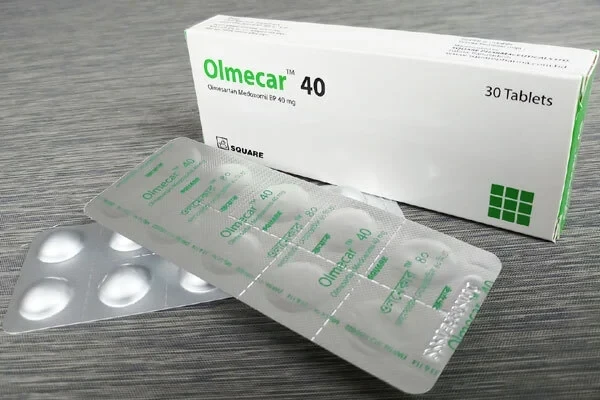
Olmecar Tablet, Olmesartan Medoxomil 40 mg
Inhouse product
-
 ৳11.40
৳12.00 -
৳42.75
৳45.00 -
৳16.63
৳17.50 -
৳2.14
৳2.25 -
৳9.50
৳10.00


Reviews & Ratings
Indications
Olmecar tablet
is indicated for the treatment of hypertension. It may be used alone or in
combination with other antihypertensive agents.
* রেজিস্টার্ড চিকিৎসকের পরামর্শ মোতাবেক ঔষধ সেবন করুন'
Pharmacology
Angiotensin II
is formed from angiotensin I in a reaction catalyzed by angiotensin converting
enzyme (ACE, Kininase II). Angiotensin II is the principal pressor agent of the
renin-angiotensin system, with effects that include vasoconstriction,
stimulation of synthesis and release of aldosterone, cardiac stimulation and
renal reabsorption of sodium. Olmesartan blocks the vasoconstrictor effects of
angiotensin II by selectively blocking the binding of angiotensin II to the AT
1 receptor in vascular smooth muscle. An AT 2 receptor is found also in many
tissues, but this receptor is not known to be associated with cardiovascular
homeostasis. Olmesartan has more than a 12,500-fold greater affinity for the AT
1 receptor than for the AT 2 receptor. Olmesartan medoxomil does not inhibit
ACE (kininase II), it does not affect the response to bradykinin. Blockade of
the angiotensin II receptor inhibits the negative regulatory feedback of
angiotensin II on renin secretion, but the resulting increased plasma renin
activity and circulating angiotensin II levels do not overcome the effect of
olmesartan on blood pressure.
Dosage & Administration
Dosage must be
individualized. The usual recommended starting dose of Olmesartan is 20 mg once
daily when used as monotherapy in patients who are not volume-contracted. For
patients requiring further reduction in blood pressure after 2 weeks of
therapy, the dose of Olmesartan may be increased to 40 mg. Doses above 40 mg do
not appear to have a greater effect. Twice-daily dosing offers no advantage
over the same total dose given once daily.
No initial dosage adjustment is recommended for elderly patients, for patients
with moderate to marked renal impairment (creatinine clearance <40 ml/min)
or with moderate to marked hepatic dysfunction. For patients with possible
depletion of intravascular volume (e.g. patients treated with diuretics,
particularly those with impaired renal function), Olmesartan should be
initiated under close medical supervision and consideration should be given to
use of a lower starting dose. Olmesartan may be administered with or without
food.
Paediatric use: Safety and effectiveness in paediatric patients have not been
established.
* রেজিস্টার্ড চিকিৎসকের পরামর্শ মোতাবেক ঔষধ সেবন করুন'
Interaction
No significant
drug interactions were reported in studies in which Olmecar was co-administered
with digoxin or warfarin in healthy volunteers. The bioavailability of
olmesartan was not significantly altered by the co-administration of antacids.
Olmecar is not metabolized by the cytochrome P450 system and has no effects on
P450 enzymes; thus, interactions with drugs that inhibit, induce, or are
metabolized by those enzymes are not expected. Non-Steroidal Anti-Inflammatory
Drugs (NSAIDs) including selective Cyclooxygenase-2 Inhibitors (COX-2
Inhibitors) in patients who are elderly, volume-depleted (including those on
diuretic therapy), or with compromised renal function, co-administration of
NSAIDs, including selective COX-2 inhibitors, with angiotensin II receptor
antagonists, including Olmecar, may result in deterioration of renal function,
including possible acute renal failure. These effects are usually reversible.
Monitor renal function periodically in patients receiving Olmecar and NSAID
therapy. The antihypertensive effect of angiotensin II receptor antagonists,
including Olmecar may be attenuated by NSAIDs including selective COX-2
inhibitors.
Contraindications
Olmesartan is
contraindicated in patients who are hypersensitive to any component of this
product.
Side Effects
Olmecar has
been evaluated for safety in more than 3825 patients/subjects, including more
than 3275 patients treated for hypertension in controlled trials. Treatment
with Olmecar was well tolerated, with an incidence of adverse reactions similar
to placebo. The overall frequency of adverse reactions was not dose related.
Analysis of gender, age and race groups demonstrated no differences between
Olmecar and placebo treated patients. The rate of withdrawals due to adverse
reactions in all trials of hypertensive patients was 2.4% of patients treated
with Olmecar and 2.7% of control patients. In placebo controlled trials, the
only adverse reaction that occurred in more than 1% of patients treated with
Olmecar and at a higher incidence versus placebo was dizziness (3% vs. 1%)
The following adverse reactions occurred in placebo-controlled clinical trials
at an incidence of more than 1% of patients treated with Olmecar, but also
occurred at about the same or greater incidence in patients receiving placebo:
back pain, bronchitis, creatine phosphokinase increased, diarrhea, headache,
hematuria, hyperglycemia, hypertriglyceridemia, influenza-like symptoms,
pharyngitis, rhinitis and sinusitis. The incidence of cough was similar in
placebo (0.7%) and Olmecar (0.9%) patients.
Pregnancy & Lactation
When pregnancy
is detected, discontinue this product as soon as possible. When used in
pregnancy during the second and third trimesters, drugs that act directly on
the renin-angiotensin system can cause injury and even death to the developing
fetus. It is not known whether Olmesartan is excreted in human milk, but
Olmesartan is secreted at low concentration in the milk of lactating rats.
Because of the potential for adverse effects on the nursing infant, a decision
should be made whether to discontinue nursing or discontinue the drug, taking
into account the importance of the drug to the mother.
Precautions & Warnings
As a
consequence of inhibiting the renin-angiotensin-aldosterone system, changes in
renal function may be anticipated in susceptible individuals treated with
Olmecar. In patients whose renal function may depend upon the activity of the
renin-angiotensin-aldosterone system (e.g. patients with severe congestive
heart failure), treatment with angiotensin-converting enzyme inhibitors and
angiotensin receptor antagonists has been associated with oliguria and/or
progressive azotemia and (rarely) with acute renal failure and/or death.
Similar results may be anticipated in patients treated with Olmecar.
Overdose Effects
There is no
experience of overdose with Olmecar. The most likely effects of Olmecar
overdosage are hypotension and tachycardia; bradycardia could be encountered if
parasympathetic (vagal) stimulation occurred. If intake is recent, gastric
lavage or induction of emesis may be considered. Clinically significant
hypotension due to an overdose of Olmecar requires the active support of the
cardiovascular system, including close monitoring of heart and lung function,
the elevation of the extremities, and attention to circulating fluid volume and
urine output.
Therapeutic Class
Angiotensin-ll
receptor blocker
Storage Conditions
Store in cool
& dry place below 30ºC, protect from light & moisture. Keep out of the
reach of children.
Chemical Structure
|
Molecular Formula : |
C29H30N6O6 |
|
Chemical Structure : |
|

Common Questions about Olmecar 40 mg Tablet
What are the uses of Olmecar 40 mg Tablet?
Olmecar 40 mg
Tablet is Angiotensin II receptor blocker which is used to treat high blood
pressure.
How long do I need to use Olmecar 40 mg
Tablet before I see improvement in my condition?
In most of the
cases, the average time taken by Olmecar 40 mg Tablet to reach its peak effect
is around 1 day to 1 week. Please consult your doctor for the time period you
need to use this medication.
At what frequency do I need to use Olmecar 40
mg Tablet?
Olmecar 40 mg
Tablet is generally used once or twice a day. It is advised to consult
your doctor before the usage, as the frequency also depends on the patient's condition.
Should I use Olmecar 40 mg Tablet empty
stomach, before food or after food?
Olmecar 40 mg
Tablet is advised to be consumed orally. If you take it on an empty
stomach, it might upset the stomach. Please consult the doctor before using it.
What are the instructions for the storage and
disposal of Olmecar 40 mg Tablet?
It should be
stored at room temperature, away from heat and direct light. Keep it away from
the reach of children.
Quick Tips
- Take Olmecar 40 mg Tablet at the same
time every day to help you remember to take it.
- Olmecar 40 mg Tablet can make you feel
dizzy for the first few days. Rise slowly if you have been sitting or
lying down for a long time.
- Your doctor may get regular tests done
to monitor the level of urea, creatinine, and potassium in your blood.
- Avoid taking anti-inflammatory medicines
such as ibuprofen along with this medicine without consulting your doctor.
- Olmecar 40 mg Tablet may increase the
level of potassium in the blood. Avoid taking potassium supplements and
potassium-rich foods such as banana fruit juice, coconut water, and
broccoli.
- Do not take Olmecar 40 mg Tablet if you
are pregnant or breastfeeding.
- Do not stop taking it suddenly without
talking to your doctor.
* রেজিস্টার্ড চিকিৎসকের পরামর্শ মোতাবেক ঔষধ সেবন করুন'
Frequently Bought Products
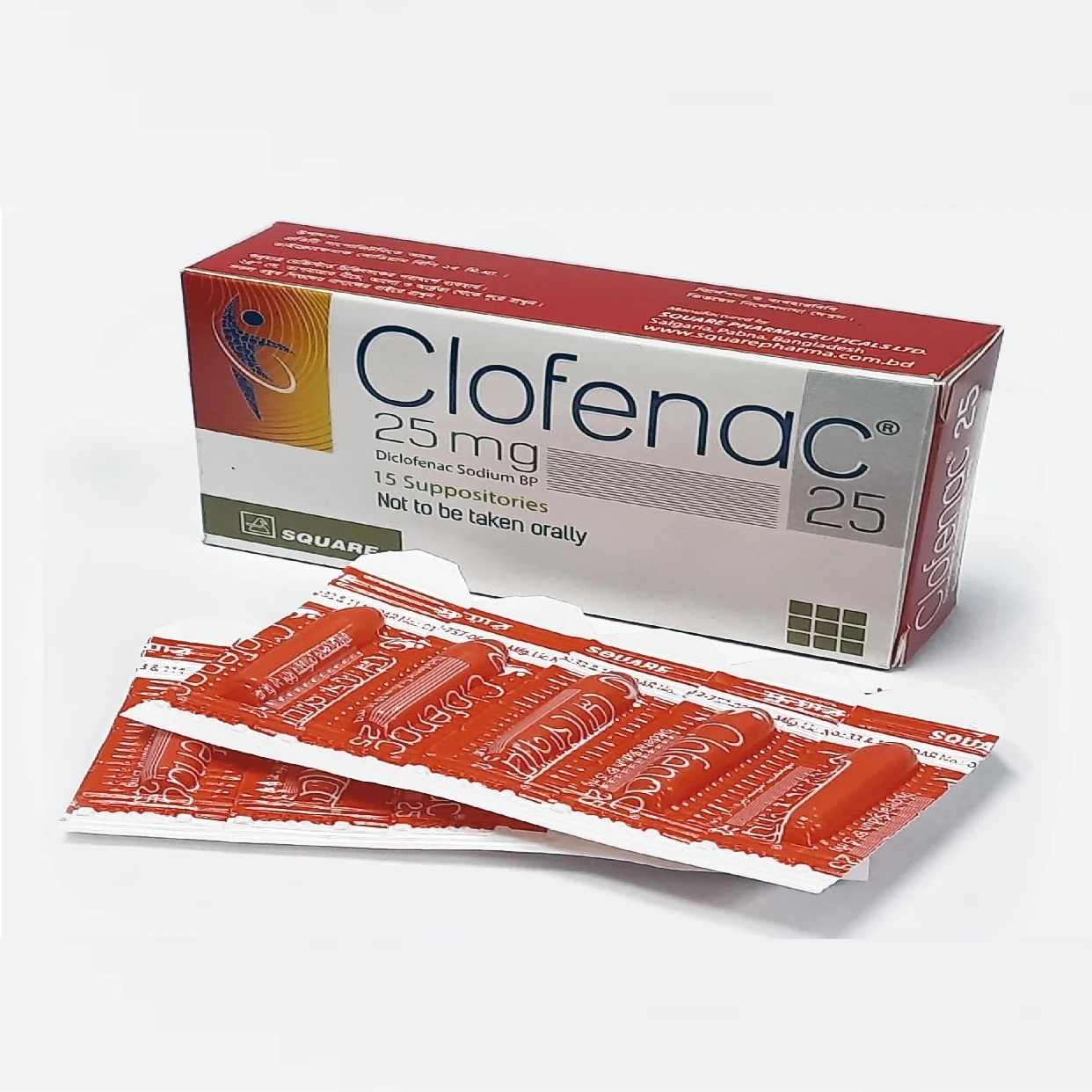
Clofenac Suppository, Diclofenac Sodium 25 mg


Braintel Syrup 100 ml bottle, Brahmi Rasayan


Citivas Tablet , Citicoline Sodium 500 mg

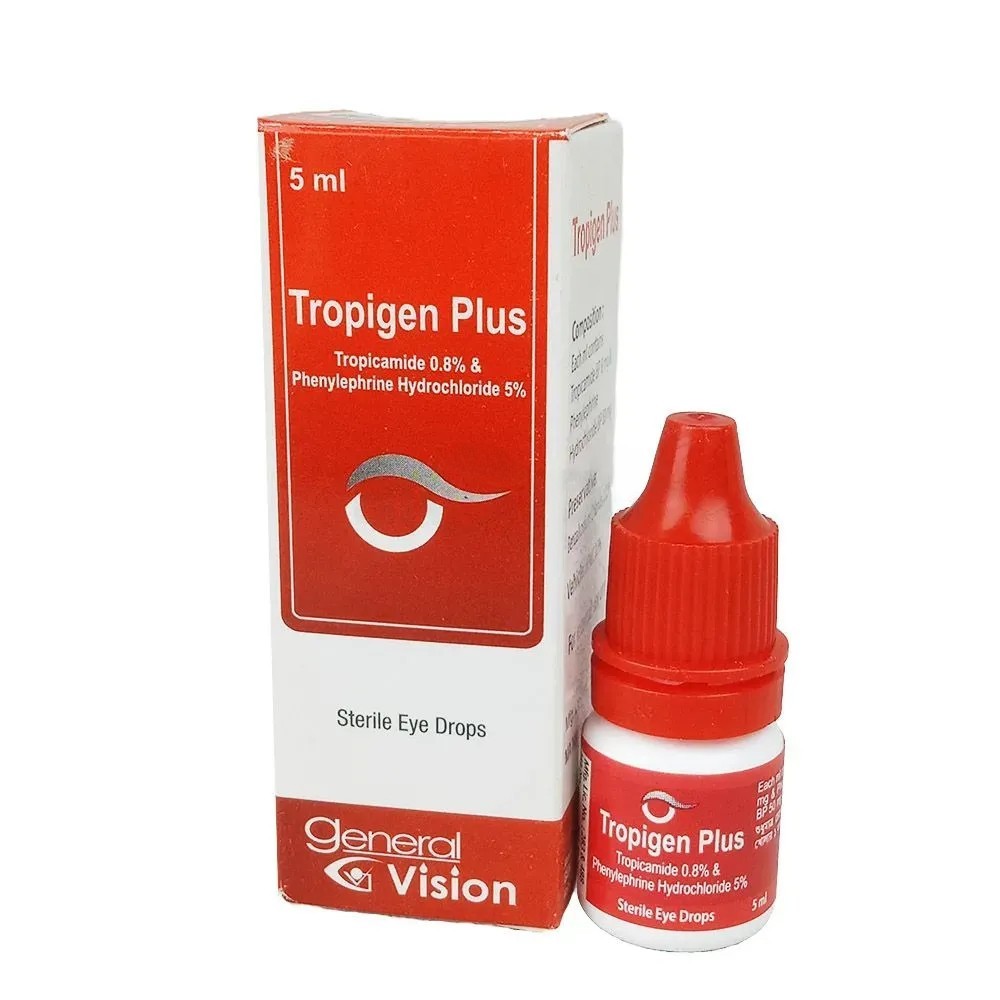

Prebalin Capsule, Pregabalin 25 mg

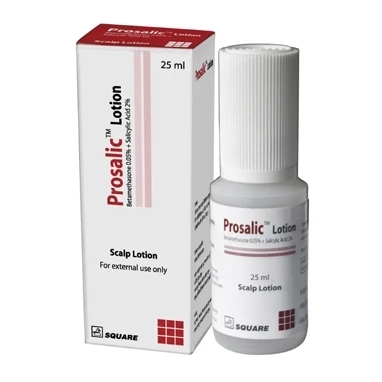
Product Queries (0)
Login Or Registerto submit your questions to seller
Other Questions
No none asked to seller yet
-
৳11.40
৳12.00 -
৳42.75
৳45.00 -
৳16.63
৳17.50 -
৳2.14
৳2.25 -
৳9.50
৳10.00