Cipro-A Ophthalmic Solution 5 ml drop, Ciprofloxacin 0.3%
Inhouse product
-
 ৳11.40
৳12.00 -
৳42.75
৳45.00 -
৳16.63
৳17.50 -
৳2.14
৳2.25 -
৳9.50
৳10.00


Reviews & Ratings
Indications
Cipro-A 0.3%
ophthalmic solution is indicated for the treatment of corneal ulcers,
conjunctivitis, and blepharitis, which are caused by susceptible strains of
bacteria.
* রেজিস্টার্ড চিকিৎসকের পরামর্শ মোতাবেক ঔষধ সেবন করুন'
Composition
Each ml eye drops
contains:
- Active Substance: Ciprofloxacin
Hydrochloride BP equivalent to Ciprofloxacin 3 mg.
- Preservative: Benzalkonium
Chloride 0.06 mg.
Pharmacology
Ciprofloxacin has in
vitro activity against a wide range of Gram-negative and Gram-positive
organisms. Ciprofloxacin is bactericidal and acts by inhibiting the A subunits
of DNA gyrase (topoisomerase) which is essential in the reproduction of
bacterial DNA.
Dosage &
Administration
For Corneal Ulcers: Instill 2 drops into the affected eye every
15 minutes for the first six hours and then 2 drops into the affected eye every
30 minutes for the remainder of the first day. On the second day, instill 2
drops into the affected eye hourly. On the third through the fourteenth day,
place 2 drops into the affected eye every four hours. Treatment may be
continued after 14 days if corneal re-epithelialization has not occurred.
Bacterial
Conjunctivitis/Blepharitis:
Instill 1 drop to the conjunctival sac(s) every two hours for two days and 1
drop every four hours for the next five days.
Pediatric use: Safety and effectiveness in children
under 1 year of age have not been established.
* রেজিস্টার্ড চিকিৎসকের পরামর্শ মোতাবেক ঔষধ সেবন করুন'
Interaction
Specific drug
interaction studies have not been conducted with ophthalmic Cipro-A. However,
the systemic administration of some quinolones has been shown to elevate plasma
concentrations of theophylline, interfere with the metabolism of caffeine,
enhance the effects of the oral anticoagulant warfarin and its derivatives and
have been associated with transient elevations in serum creatinine in patients
receiving cyclosporin concomitantly.
Contraindications
A history of
hypersensitivity to Ciprofloxacin or any other component of the product. A
history of hypersensitivity to other quinolones, including Nalidixic acid, may
also contraindicate the use of Ciprofloxacin.
Side Effects
The most frequently
reported drug related adverse reaction was local burning or discomfort. In
corneal ulcer studies with frequent administration of the drug, white
crystalline precipitates were seen in approximately 17% of patients. Other
reactions occurring in less than 10% of patients included lid margin crusting,
crystals/scales, foreign body sensation, itching, conjunctival hyperemia and a
bad taste following instillation. Additional events occurring in less than 1%
of patients included corneal staining, keratopathy/keratitis, allergic
reactions, lid edema, tearing, photophobia, corneal infiltrates, nausea and
decreased vision.
Pregnancy &
Lactation
There are no adequate
and well-controlled studies in pregnant women. Ciprofloxacin ophthalmic
solution should be used during pregnancy only if the potential benefit
justifies the potential risk to the fetus.
Precautions &
Warnings
General: As with other
anti-infective, prolonged use may result in overgrowth of non-susceptible
organisms, including fungi. If super-infection occurs, discontinue use and
initiate alternative therapy. Cipro-A should be discontinued at the first
appearance of a skin rash or any other sign of hypersensitivity reaction.
Overdose Effects
A topical overdose of
Cipro-A eye drops may be flushed from the eye(s) with warm tap water.
Therapeutic Class
Aural Anti-bacterial
preparations, Ophthalmic antibacterial drugs
Storage Conditions
Store at room
temperature, protect from light. It is desirable that the contents should not
be used more than one month after first opening of the bottle.
Frequently Bought Products

Nomi Nasal Spray 14 metered, Zolmitriptan 2.5 mg/spray


Presart Tablet, Telmisartan 20 mg
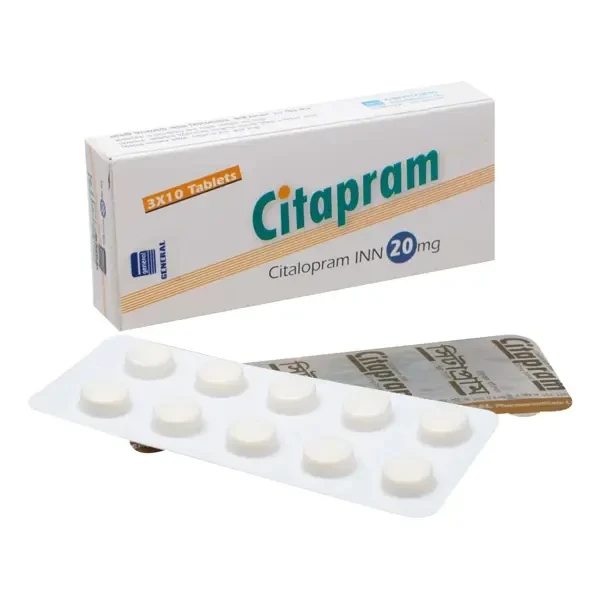
Citapram Tablet, Citalopram Hydrobromide 20 mg
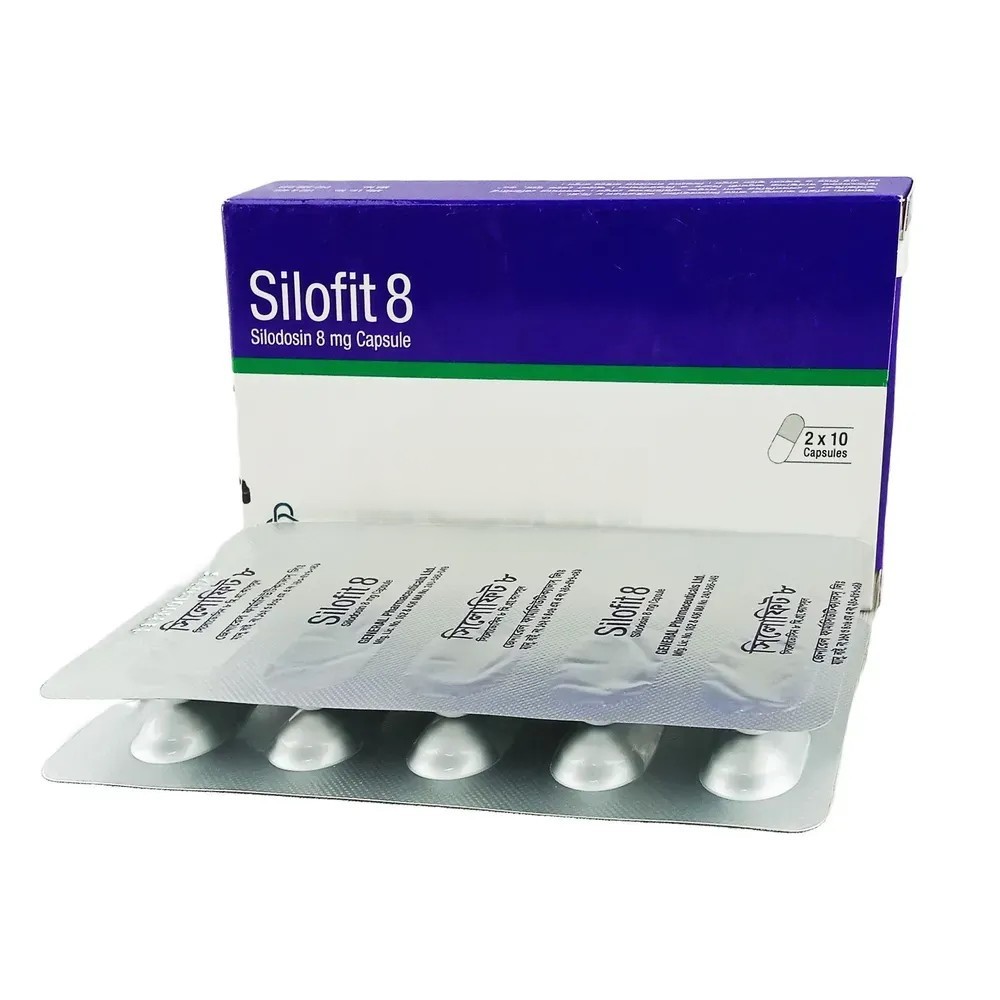
Silofit Capsule, Silodosin 8 mg

Leptic 5 mg Tablet ( Clonazepam 0.5 mg )

Urostat Tablet, Febuxostat 40 mg
Product Queries (0)
Login Or Registerto submit your questions to seller
Other Questions
No none asked to seller yet
-
৳11.40
৳12.00 -
৳42.75
৳45.00 -
৳16.63
৳17.50 -
৳2.14
৳2.25 -
৳9.50
৳10.00