Sultolin Dry Powder Inhalation Capsule (DPI), Salbutamol 200 mcg
Inhouse product
-
 ৳11.40
৳12.00 -
৳42.75
৳45.00 -
৳16.63
৳17.50 -
৳2.14
৳2.25 -
৳9.50
৳10.00


Reviews & Ratings
Indications
Sultolin is indicated
as a bronchodilator for use in-
- Asthma
- Chronic Bronchitis
- Emphysema and
- Other conditions associated
with airways obstruction.
* রেজিস্টার্ড চিকিৎসকের পরামর্শ মোতাবেক ঔষধ সেবন করুন'
Pharmacology
Salbutamol is a
synthetic sympathomimetic agent with predominant beta-2 adrenergic activity.
Salbutamol produces bronchodilatation through stimulation of beta-2-adrenergic
receptors in bronchial smooth muscles, thereby causing relaxation of bronchial
muscle fibers. This action is manifested by an improvement in pulmonary
function as demonstrated by spirometric measurements.
Dosage &
Administration
Salbutamol
tablet or syrup-
Children:
- 2-6 years: 2.5 ml syrup, 3-4
times daily
- 6-12 years: 5 ml syrup, 3-4 times
daily
- Over 12 years: 5-10 ml syrup,
3-4 times daily (2-4 mg tablet, 3-4 times daily)
Adults: 2-4 mg tablet,
3-4 times daily. Maximum single dose is 8 mg tablet.
Salbutamol Respirator
Solution: To be used with a
suitable nebulizer device under the direction of a physician. The solution must
not be injected or ingested.
Method-1 (Intermittent Administration):
- Adults (and the elderly): 0.5
ml-1.0 ml salbutamol up to four times a day. Up to 40mg per day can be
given under strict medical direction in the hospital. 0.5-1 ml solution
should be diluted to final volume of 2-4 ml with sterile normal saline
solution. It will take time about 10 minutes.
- Salbutamol respiratory solution
may be used undiluted for intermittent administration. For this 2.0 ml of
the solution is placed in the nebulizer and the patient allowed to inhale
until bronchodilation is achieved. This usually takes 3-5 minutes.
- Children under 12 years of age:
0.5 ml of the solution diluted to 2.0-4.0 ml with normal saline. Some
children may however require higher doses of up to 1.0 ml of the solution.
Intermittent treatment may be repeated four times a day.
Method-2 (Continuous
administration): 1-2 ml solution is diluted to make up to 100 ml with normal
saline solution. The diluted solution is administered by a suitable nebulizer
devise. When there is risk of anoxia through hypoventilation, oxygen should be
added to the inspired air.
Salbutamol nebulizer
solution: To be used with a
suitable nebulizer device under the direction of a physician. The solution must
not be injected or ingested.
- Adults & Elderly: 2.5 mg to
5 mg Salbutamol up to 4 times a day. Up to 40 mg/day may be given under
strict medical direction in the hospital.
- Children under 12 years: 2.5 mg
up to 4 times a day. A higher dose up to 5 mg four times a day may be used
if required.
Salbutamol
injection:
Adults:
- Salbutamol I.V. infusion
solution is used to prepare a solution for continuous intravenous
infusion. It should not be injected undiluted. A suitable solution for
infusion may be prepared by diluting 5 mL of Salbutamol I.V. infusion
solution (1000 mcg/mL) in 500 mL of a chosen i.v. solution to provide a
salbutamol concentration of 10 mcg/mL.
- The only recommended diluents
are Sodium Chloride Injection, or Sodium Chloride and Dextrose Injection.
- Infusion rates providing 3 to
20 micrograms salbutamol/minute (0.3 to 2ml/minute of the above infusion
solution) are usually adequate. Infusion rates can be started at 5 mcg of
salbutamol/min., and can be increased to 10 mcg/min., and 20 mcg/min. at
15 - 30 minute intervals, if necessary.
- As with all parenteral drug
products, intravenous admixtures should be inspected visually for clarity,
particulate matter, precipitate, discoloration and leakage prior to
administration.
- All unused admixtures of
Salbutamol infusion solution with infusion fluids should be discarded 24
hours after preparation.
Children and
Adolescents (<18 years of age): The dosage of Salbutamol infusion solution
in the pediatric age group has not been established. At present, there are
insufficient data to recommend a dosage regimen for children.
Salbutamol Inhalation
Capsule:
- Adults: For the relief of
bronchospasm and for managing intermittent episodes of asthma, one or two
inhalation capsule may be administered as a single dose. The usual
recommended dosage of Salbutamol inhalation capsule for inhalation for
adults for maintenance or prophylactic therapy is the contents of one 200
microgram capsule every 4 to 6 hours using a device. In some
patients, the contents of two 200 microgram capsules inhaled every 4 to 6
hours may be required. Large doses or more frequent administration is not
recommended. The use of salbutamol powder for inhalation can be continued
as medically indicated to control recurring/intermittent episodes of
bronchospasm.
- Children: One Salbutamol
inhalation capsule is the recommended dose for relief of acute
bronchospasm in the maintenance of episodic asthma or before exercise of
children 4 years of age and older. One inhalation should be administered
for three or four times a day for routine maintenance or prophylactic
therapy. This dosage may be increased to inhalation of two inhalation
capsule, if necessary. The bronchodilator effect of each administration of
inhaled Salbutamol inhalation capsule lasts for at least four hours. Such
patients should be warned not to increase the dose of inhaler, but should
seek medical advice immediately.
Excercise-induced
Asthma:
- Adults: 400 microgram
- Child: 200 microgram, 15-30
minutes prior to any physical exertion.
* রেজিস্টার্ড চিকিৎসকের পরামর্শ মোতাবেক ঔষধ সেবন করুন'
Side Effects
Sultolin may cause
fine tremor of skeletal muscles (particularly the hands), palpitations and
muscle cramps. Tachycardia, tenseness, headaches and peripheral vasodilatation
have been reported after large doses.
Pregnancy &
Lactation
The drug should be
used during pregnancy only if the potential benefit justifies the potential
risk of the fetus. It is not known whether this drug is excreted in human milk.
Because of the potential of tumorigenecity shown for Salbutamol in some animal
studies, a decision should be made whether to discontinue nursing or to
discontinue the drug, taking into account the importance of the drug to the
mother.
Precautions &
Warnings
Sultolin should be
used with caution in patients with hyperthyroidism, cardiovascular disease,
occlusive vascular disorders, hypertension and aneurysms. Hypokalaemia
associated with high doses of Sultolin may result in increased susceptibility
to digitalis-induced cardiac arrhythmia. Tachyphylaxis with resistance may
occur with prolonged use of high dosage. Care is necessary when treating
patients with diabetes mellitus or closed angle glaucoma, and in those
receiving antihypertensive therapy.
Overdose Effects
The symptoms with
overdosage are angina, headache, nausea, vomiting, tremor etc. The preferred
antidote for overdosage with Sultolin is a cardio-selective beta-blocking agent
but beta-blocking drugs should be used with caution in patients with a history
of bronchospasm.
Therapeutic Class
Short-acting selective
& β2-adrenoceptor stimulants
Storage Conditions
Keep below 30°C temperature, away from light
& moisture. Keep out of the reach of children.
Frequently Bought Products

Braintel Syrup 100 ml bottle, Brahmi Rasayan
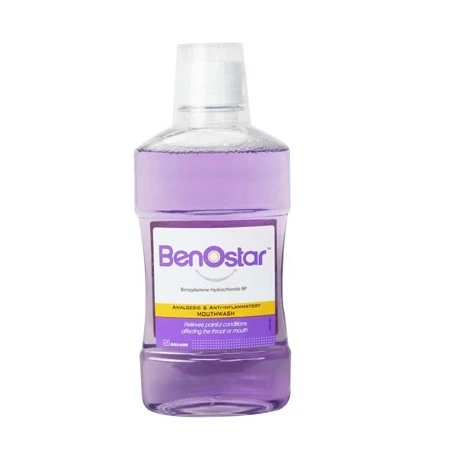

Fast Tablet (10 tablets Strip), Paracetamol 500 mg

Avudin Tablet Lamivudine + Zidovudine 150 mg+300 mg
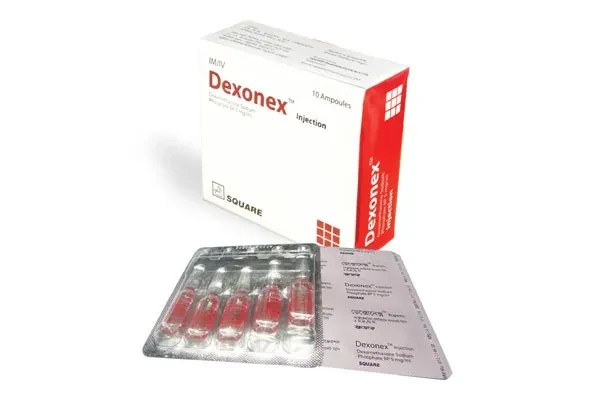
Dexonex IM/IV Injection, Dexamethasone 5 mg/ml
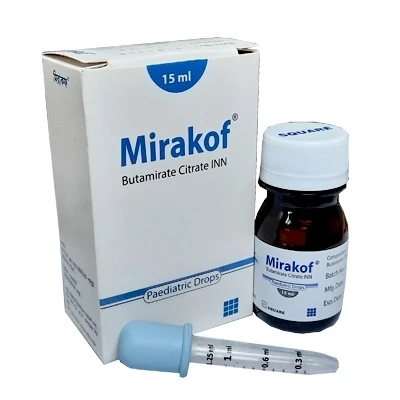
Mirakof Pediatric Drops 15ml, Butamirate Citrate 5 mg/ml

Cholera Saline IV Infusion 500 ml bag, Cholera Saline


Deflacort Tablet, Deflazacort 18 mg
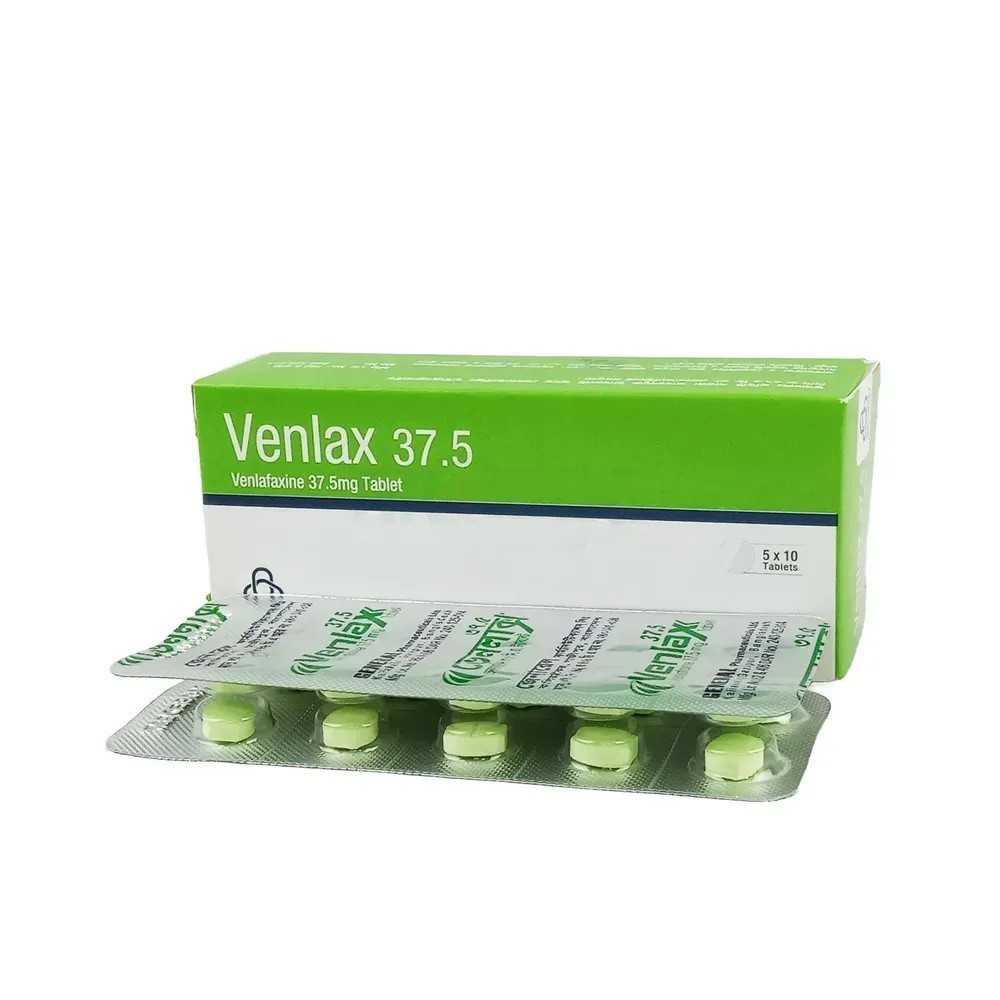
Venlax Tablet, Venlafaxine Hydrochloride 37.5 mg
Product Queries (0)
Login Or Registerto submit your questions to seller
Other Questions
No none asked to seller yet
-
৳11.40
৳12.00 -
৳42.75
৳45.00 -
৳16.63
৳17.50 -
৳2.14
৳2.25 -
৳9.50
৳10.00