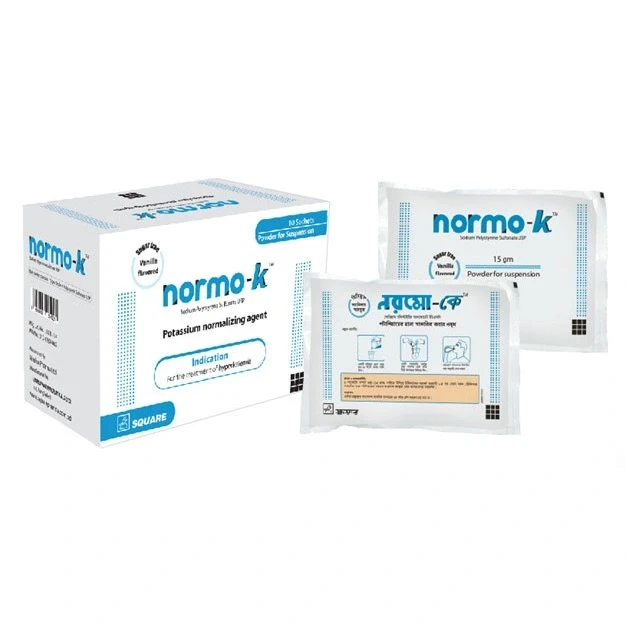
Normo-K Oral Powder, Sodium Polystyrene Sulfonate 15 gm/sachet
Inhouse product
-
 ৳11.40
৳12.00 -
৳42.75
৳45.00 -
৳16.63
৳17.50 -
৳2.14
৳2.25 -
৳9.50
৳10.00


Reviews & Ratings
Indications
Normo-K is indicated
for the treatment of hyperkalemia. Hyperkalemia is mainly caused by Acute or
Chronic Kidney Disease. Other causes may include Liver failure, Adrenal
insufciency, Use of certain drugs like ARB, ACE inhibitors, Beta blockers or
Excessive use of Potassium supplements.
* রেজিস্টার্ড চিকিৎসকের পরামর্শ মোতাবেক ঔষধ সেবন করুন'
Pharmacology
Sodium Polystyrene
Sulfonate is a cation exchange resin. It releases sodium ions in the stomach in
exchange for hydrogen ions. When the resin reaches the large intestine the
hydrogen ions are exchanged for free potassium ions; the resin is then
eliminated in the feces. The net effect is lowering the amount of potassium
available for absorption into the blood and increasing the amount that is
excreted via the feces. The effect is a reduction of potassium levels in the
body.
Dosage
Adults (including the
elderly)-
- Oral Dose: The average daily oral dose for adult is 15 gm to 60
gm (1 Sachet 1-4 times daily).
- Rectal dose: In patients who are unable to intake this medicine
orally, rectal administration is possible (as enema). 30 gm to 50 gm of
resin is given once or twice daily (at intervals of 6 hours). Each dose is
administered as a warm emulsion (at body temperature) in 150 ml to 200 ml
of aqueous vehicle (such as plain water, 10% dextrose in water or equal
parts of water and 2% Methylcellulose suspension). The emulsion should be
agitated gently during administration. The enema should be retained for as
long as possible and should be followed by a cleansing enema.
Children-
- Oral dose: In smaller children and infants correspondingly lower
doses should be employed. An appropriate initial dose is 1 gm/kg body
weight daily in divided doses in acute hyperkalemia. For maintenance
therapy, dosage may be reduced to 0.5 gm/kg body weight daily.
- Rectal dose: When refused by mouth, the resin may be given
rectally using a dose at least as much as that which would have been given
orally. The resin should be suspended in a proportional amount of 10%
Dextrose in water. Following retention of the enema, the colon should be
irrigated to ensure adequate removal of the resin.
Neonates-
- Rectal dose: Since it is advised that the oral route should not be
employed, only rectal administration should be considered. With rectal
administration, the minimum effective dosage within the range of 0.5 to 1
gm/kg of resin should be employed. The resultant suspension should be
diluted as for adults. Following administration of the resin, the colon
should be adequately irrigated to ensure recovery of the resin.
* রেজিস্টার্ড চিকিৎসকের পরামর্শ মোতাবেক ঔষধ সেবন করুন'
Administration
Mixing procedure: Each
dose should be given as a suspension in a small quantity of water or, for greater
palatability, in sweetened liquid or syrup (but not with orange or other fruit
juices which contain potassium). The amount of fluid usually ranges from 20 ml
to 100 ml, depending on the dose. It may be simply determined by allowing 3 ml
to 4 ml per gram of drug. The prepared suspension should be administered by
placing and maintaining the patient in an upright position. The resin may be
introduced into the stomach through a plastic tube. If desired, it may be mixed
with a diet appropriate for a patient in renal failure.The intensity and
duration of therapy depend upon the severity and resistance of hyperkalemia.
Sodium Polystyrene Sulfonate should not be heated because it may alter the
exchange properties of the resin. Suspension of this drug should be freshly
prepared and not to be stored beyond 24 hours.
* রেজিস্টার্ড চিকিৎসকের পরামর্শ মোতাবেক ঔষধ সেবন করুন'
Interaction
Normo-K may cause drug
interactions with Antacids, Non absorbable cation-donating antacids and
laxatives, Digitalis, Sorbitol, Lithium, Thyroxine.
Contraindications
Sodium Polystyrene
Sulfonate is contraindicated in the following conditions: patients with hypokalemia,
patients with a history of hypersensitivity to polystyrene sulfonate resins,
obstructive bowel disease, neonates with reduced gut motility (postoperatively
or drug induced) and oral administration in neonates.
Side Effects
The drug may cause some
degree of gastric irritation. Anorexia, nausea, vomiting, and constipation may
occur especially if high doses are given. Also, hypokalemia, hypocalcemia, and
significant sodium retention, and their related clinical manifestations, may
occur. Occasionally diarrhea develops. Large doses in elderly individuals may
cause fecal impaction. Rare instances of colonic necrosis have been reported.
Intestinal obstruction due to concretions of aluminum hydroxide, when used in
combination with such resin has been reported.
Pregnancy & Lactation
Pregnancy Category C.
Animal reproduction studies have not been conducted with Sodium Polystyrene
Sulfonate. It is also not known whether it can cause fetal harm when
administered to a pregnant woman or can affect reproduction capacity. It should
be given to a pregnant woman only if clearly needed. It is not known whether
this drug is excreted in human milk. Because many drugs are excreted in human
milk, caution should be exercised when this product is administered to a nursing
woman.
Precautions & Warnings
Caution is advised
when Normo-K is administered to patients who cannot tolerate even a small
increase in sodium loads (i.e., severe congestive heart failure, severe
hypertension, or marked edema). In such instances compensatory restriction of
sodium intake from other sources may be indicated. In the event of clinically
signifcant constipation, treatment with Normo-K should be discontinued until
normal bowel motion is resumed. Magnesium-containing laxatives or sorbitol
should not be used.
Use in Special Populations
Use in Children: The effectiveness in pediatric patients
has not been established. In neonates, it should not be given by the oral
route. Due to the risk of digestive hemorrhage or colonic necrosis, particular
care should be observed in premature infants or low birth weight infants.
Overdose Effects
Overdosage may result
in electrolyte disturbances including hypokalemia, hypocalcemia, and
hypomagnesemia. Biochemical disturbances resulting from overdosage may give
rise to clinical signs and symptoms of hypokalemia, including: irritability,
confusion, delayed thought processes, muscle weakness, hyporeflexia, which may
progress to frank paralysis and/or apnea.
Therapeutic Class
Calcium Regulator
Storage Conditions
Store below 30°C. Keep
out of the reach of children. Suspension of Normo-K should be freshly prepared
and not to be stored beyond 24 hours.
Frequently Bought Products
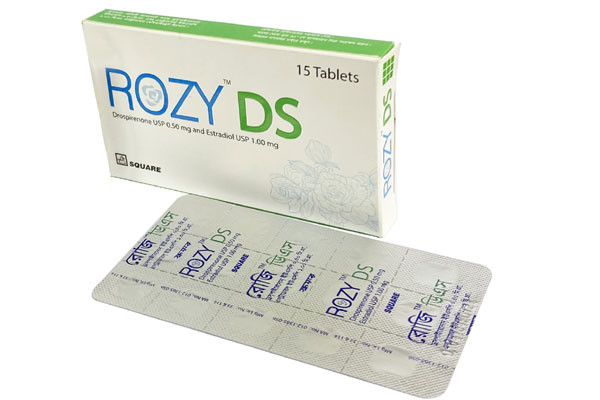
Rozy DS Tablet, Drospirenone + Estradiol 1 mg+0.5 mg
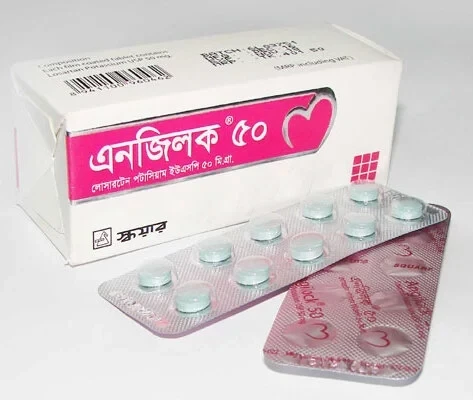
Angilock Tablet , Losartan Potassium 50 mg
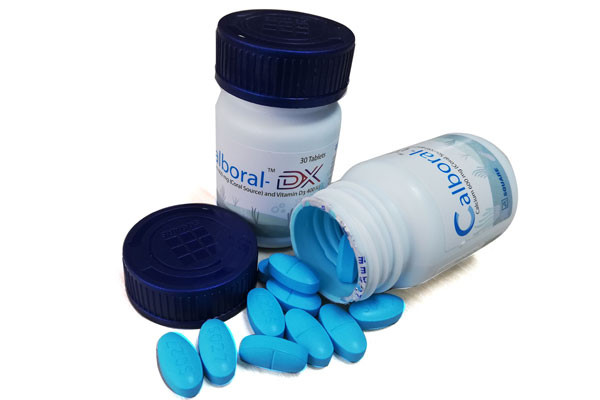
Calboral-DX Tablet , Coral Calcium + Vitamin D3 600 mg+400 IU
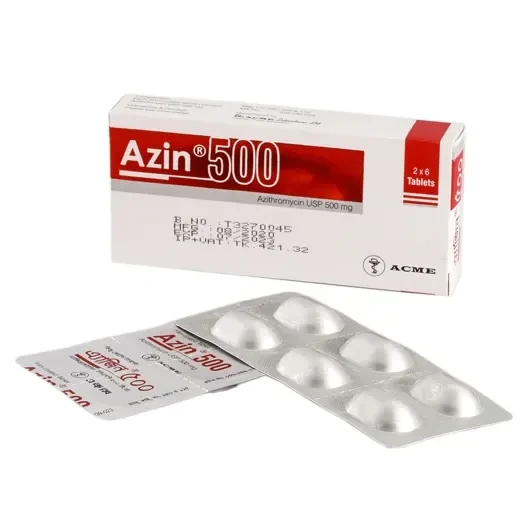
Azin Tablet, Azithromycin Dihydrate 500 mg

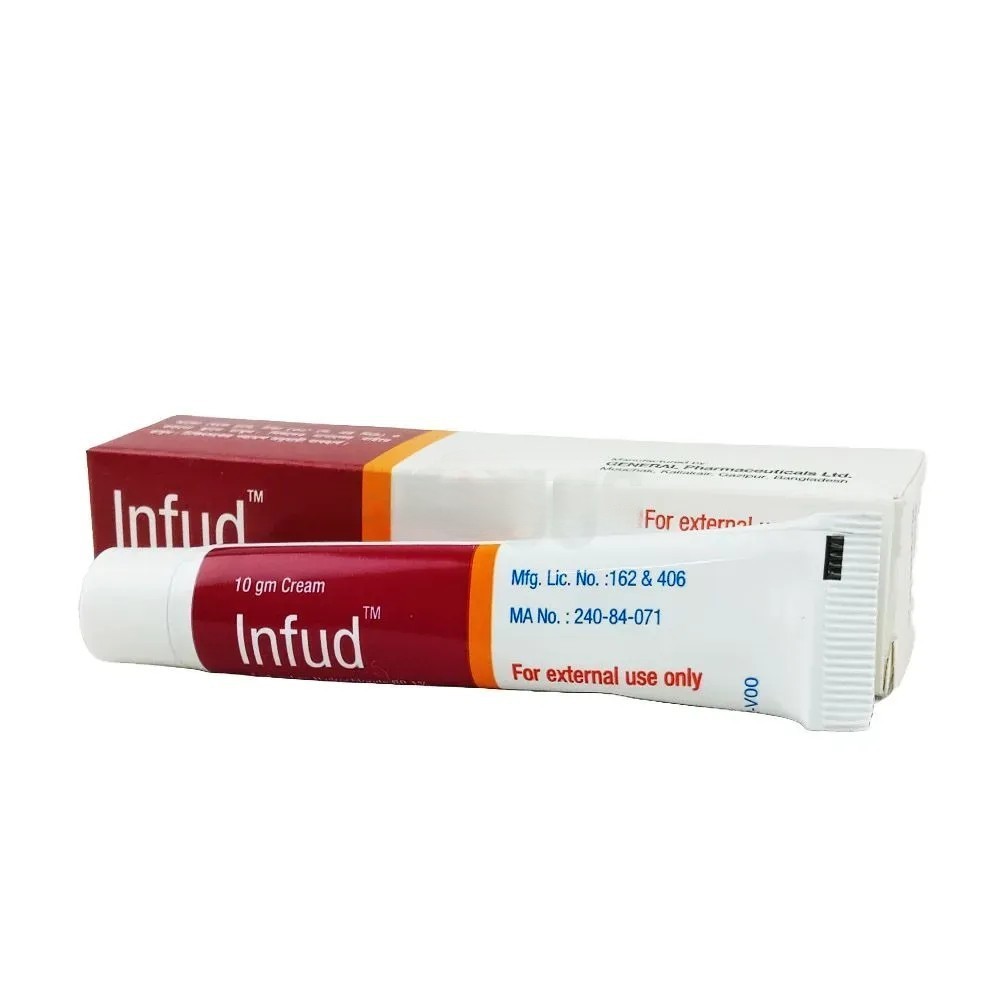
Infud Cream 10 gm tube, Terbinafine Hydrochloride 1%


Ponatigen Tablet (30 pcs), Ponatinib Hydrochloride 45 mg

Eclo Ointment 20 gm tube, Clobetasol Propionate 0.05%
Product Queries (0)
Login Or Registerto submit your questions to seller
Other Questions
No none asked to seller yet
-
৳11.40
৳12.00 -
৳42.75
৳45.00 -
৳16.63
৳17.50 -
৳2.14
৳2.25 -
৳9.50
৳10.00