Delaflox IV Infusion 300 ml vial, Delafloxacin 300 mg/vial
Inhouse product
-
 ৳11.40
৳12.00 -
৳42.75
৳45.00 -
৳16.63
৳17.50 -
৳2.14
৳2.25 -
৳9.50
৳10.00


Reviews & Ratings
Indications
Acute Bacterial Skin
and Skin Structure Infections: Delaflox is indicated in adults for the treatment of acute
bacterial skin and skin structure infections (ABSSSI) caused by the following
susceptible microorganisms: Staphylococcus aureus (including
methicillin-resistant [MRSA] and methicillin-susceptible [MSSA] isolates),
Staphylococcus haemolyticus, Staphylococcus lugdunensis, Streptococcus
agalactiae, Streptococcus anginosus Group (including Streptococcus anginosus,
Streptococcus intermedius, and Streptococcus constellatus), Streptococcus
pyogenes, Enterococcus faecalis, Escherichia coli, Enterobacter cloacae,
Klebsiella pneumoniae, and Pseudomonas aeruginosa.
Community-Acquired
Bacterial Pneumonia: Delaflox is
indicated in adults for the treatment of community-acquired bacterial pneumonia
(CABP) caused by the following susceptible microorganisms: Streptococcus
pneumoniae, Staphylococcus aureus (methicillin-susceptible [MSSA] isolates
only), Klebsiella pneumoniae, Escherichia coli, Pseudomonas aeruginosa,
Haemophilus influenzae, Haemophilus parainfluenzae, Chlamydia pneumoniae,
Legionella pneumophila, and Mycoplasma pneumoniae.
* রেজিস্টার্ড চিকিৎসকের পরামর্শ মোতাবেক ঔষধ সেবন করুন'
Pharmacology
Delafloxacin inhibits
the activity of bacterial DNA topoisomerase IV and DNA gyrase (topoisomerase
II). This interferes with bacterial DNA replication by preventing the
relaxation of positive supercoils introduced as part of the elongation process.
The resultant strain inhibits further elongation. Delafloxacin exerts
concentration-dependent bacteriocidal activity.
The antibacterial activity of delafloxacin appears to best correlate with the
ratio of area under the concentration-time curve of free delafloxacin to
minimal inhibitory concentration (fAUC/MIC) for Gram-positive organisms
such as Staphylococcus aureus and Gram-negative organisms such as Escherichia
coli based on animal models of infection.
Dosage & Administration
Route of
administration: Intravenous (IV)
Injection
|
|
||
|
Indications |
Dosage and Route of
Administration |
Total Duration
(days) |
|
Acute Bacterial Skin
and Skin Structure Infections (ABSSSI) |
300 mg of Delafloxacin
Injection every 12 hours over 60 minutes by intravenous infusion |
5 to 14 |
|
Community-Acquired
Bacterial Pneumonia (CABP) |
5 to 10 |
|
Hepatic Impairment: No dosage adjustment is necessary for
Delaflox (Delafloxacin) in patients with hepatic impairment.
Renal Impairment: Dosage adjustment is required for patients
with severe renal impairment (eGFR 15-29 mL/min/1.73m2). In patients with
severe renal impairment or ESRD (eGFR of < 15 mL/min/1.73 m2), accumulation
of the intravenous vehicle, sulfobutylether-β-cyclodextrin (SBECD) occurs.
Serum creatinine levels should be carefully monitored in patients in such case.
If serum creatinine level increases, consider switching to oral Delafloxacin.
Discontinue Delafloxacin if eGFR decreases to < 15 mL/min/1.73 m2.
* রেজিস্টার্ড চিকিৎসকের পরামর্শ মোতাবেক ঔষধ সেবন করুন'
Interaction
With medicine: Do not
administer Delaflox for Injection with any solution containing multivalent
cations (e.g. calcium and magnesium) through the same intravenous line. Do not
co-infuse Delaflox for Injection with other medications. With food & others:
Not applicabl
Contraindications
Delafloxacin is
contraindicated in patients with known hypersensitivity to Delafloxacin or any
of the fluoroquinolone class of antibacterial drugs. Discontinue Delafloxacin
at the first appearance of a skin rash or any other sign of hypersensitivity
Side Effects
Common Side Effects:
The most common side effects of Delaflox include nausea, diarrhea, headache,
transaminase elevations and vomiting.
Pregnancy & Lactation
The limited available
data with Delafloxacin use in pregnant women are insufficient to inform a
drug-associated risk of major birth defects and miscarriages. There are no data
available on the presence of Delafloxacin in human milk, the effects on the
breast-fed infant or the effects on milk production.
Precautions & Warnings
Fluoroquinolones have
been associated with disabling and potentially irreversible serious adverse
reactions. Commonly seen adverse reactions include tendinitis, tendon rupture,
arthralgia, myalgia, peripheral neuropathy and CNS effects (hallucinations,
anxiety, depression, insomnia, severe headaches, and confusion). Discontinue
Delaflox immediately at the first signs or symptoms of any serious adverse
reaction
Fluoroquinolones have been associated with an increased risk of tendinitis and
tendon rupture in all ages. Tendinitis or tendon rupture can occur, within
hours or days of starting a fluoroquinolone, or even several months after
completion of fluoroquinolone therapy. Tendinitis and tendon rupture can occur
bilaterally. Discontinue Delaflox immediately if the patient experiences pain,
swelling, inflammation or rupture of a tendon.
Fluoroquinolones have been associated with an increased risk of peripheral
neuropathy. Cases of sensory or sensorimotor axonal polyneuropathy affecting
small and/or large axons resulting in paresthesias, hypoesthesias, dysesthesias
and weakness have been reported in patients receiving fluoroquinolones,
including Delaflox. Discontinue Delaflox immediately if the patient experiences
symptoms of peripheral neuropathy.
Fluoroquinolones, including Delaflox, have been associated with an increased
risk of psychiatric adverse reactions. Toxic psychosis; hallucinations or
paranoia; depression or suicidal thoughts or acts; delirium, disorientation,
confusion or disturbances in attention; anxiety, agitation or nervousness;
insomnia or nightmares; memory impairment may occur. Discontinue Delaflox
immediately if the patient experiences symptoms.
Fluoroquinolones have been associated with an increased risk of seizures
(convulsions), increased intracranial pressure (including pseudotumor cerebri),
dizziness and tremors. Discontinue Delaflox immediately if the patient
experiences symptoms.
Fluoroquinolones have neuromuscular blocking activity and may cause muscle
weakness in persons with myasthenia gravis. Avoid Delaflox in patients with
known history of myasthenia gravis.
Serious and occasionally fatal hypersensitivity (anaphylactic) reactions, have
been reported in patients receiving fluoroquinolone therapy. Some reactions
were accompanied by cardiovascular collapse, loss of consciousness, tingling,
pharyngeal or facial edema, dyspnea, urticarial and itching. Discontinue
Delaflox at the first appearance of a skin rash or any other sign of
hypersensitivity.
Clostridium difficile-associated diarrhea (CDAD) has been reported in users of
nearly all systemic antibacterial drugs, including Delaflox, with severity
ranging from mild diarrhea to fatal colitis.
Increased risk of aortic aneurysm and dissection have been reported within two
months following use of fluoroquinolones, particularly in elderly patients.
Fluoroquinolones have been associated with disturbances of blood glucose,
including symptomatic hyperglycemia and hypoglycemia, usually in diabetic
patients receiving concomitant treatment with an oral hypoglycemic agent or
with insulin. In these patients, careful monitoring of blood glucose is
recommended. Severe cases of hypoglycemia resulting in coma or death have been
reported with other fluoroquinolones. If a hypoglycemic reaction occurs,
discontinue Delaflox immediately.
Delaflox can make you feel dizzy and lightheaded. Do not drive, operate
machinery or do other activities that require mental alertness or coordination
until you know how Delaflox affects you.
Use in Special Populations
Use in children &
adolescents: It is not known if
Delaflox is safe and effective in people under 18 years of age and use in
people under 18 years of age is not recommended.
Geriatric use: Geriatric patients are at increased risk for
developing severe tendon disorders including tendon rupture when being treated
with a fluoroquinolone. Caution should be used when prescribing Delaflox to
elderly patients especially those on corticosteroids. If any symptoms of
tendinitis or tendon rupture occur, then discontinuation of Delaflox is
recommended. Case of aortic aneurysm and dissection within two months following
use of fluoroquinolones, particularly in elderly patients were reported.
Caution should be used when prescribing Delaflox to elderly patients.
Overdose Effects
Treatment of overdose
with Delaflox should consist of observation and general supportive measures.
Hemodialysis found to remove about 19% of Delaflox and 56% of
Sulfobutylether-β-cyclodextrin after IV administration of Delaflox.
Therapeutic Class
4-Quinolone
preparations
Storage Conditions
Store within 20º C -
25º C (Excursions permitted to 15°C to 30°C) & dry place, protected from
light. Keep all medicines out of reach of children. Reconstituted vial may be
stored either refrigerated (2°C to 8°C) or at controlled room temperature (20°C
to 25°C) for up to 24 hours. Do not freeze. Once diluted into the intravenous
bag, Delaflox may be stored either refrigerated (2°C to 8°C) or at a controlled
room temperature (20°C to 25°C) for up to 24 hours. Do not freeze.
Frequently Bought Products

Dactus Tablet, Glimepiride 2 mg
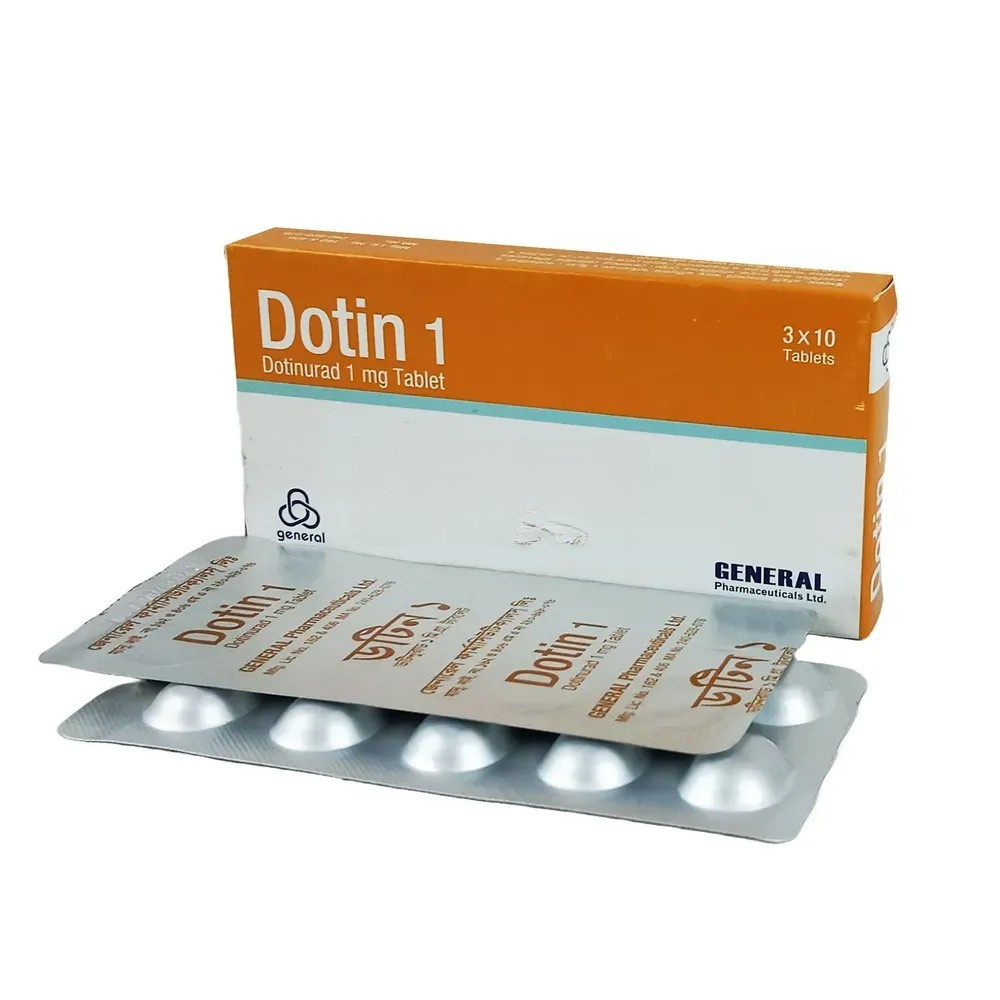
Dotin Tablet, Dotinurad 1 mg
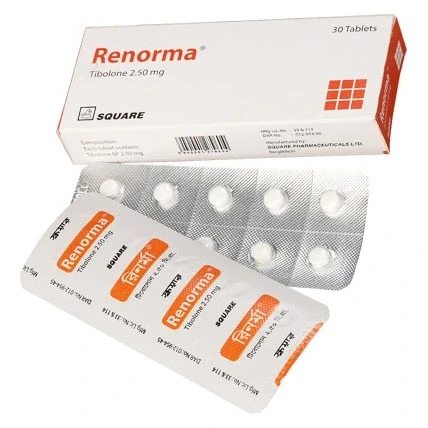
Renorma Tablet, Tibolone 2.5 mg

Ace Oral Suspension 60 ML, Paracetamol 120 mg/5 ml
![D-Fill Capsule, Cholecalciferol [Vitamin D3] 20000 IU](https://old.skpharma.com.bd/public/uploads/all/1vFqnNMbQkymYZ54KEQ6YDe9Pu7TQUhKOsKARlEl.jpg)
D-Fill Capsule, Cholecalciferol [Vitamin D3] 20000 IU
![Urobery Syrup 100 ml bottle, Cranberry [Vaccinium macrocarpon] 300 mg/5 m](https://old.skpharma.com.bd/public/uploads/all/7yaVzcD1LYJjkd3ejSWDuQ80FTxiFme8i7rvq2sd.jpg)
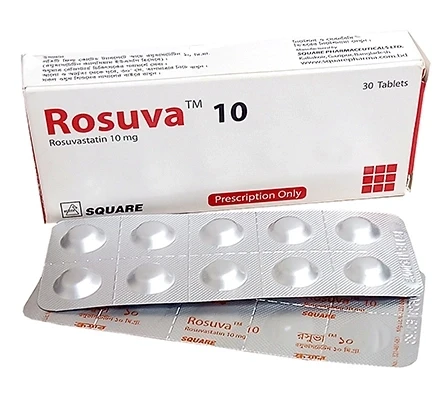
Rosuva Tablet, Rosuvastatin Calcium 10 mg
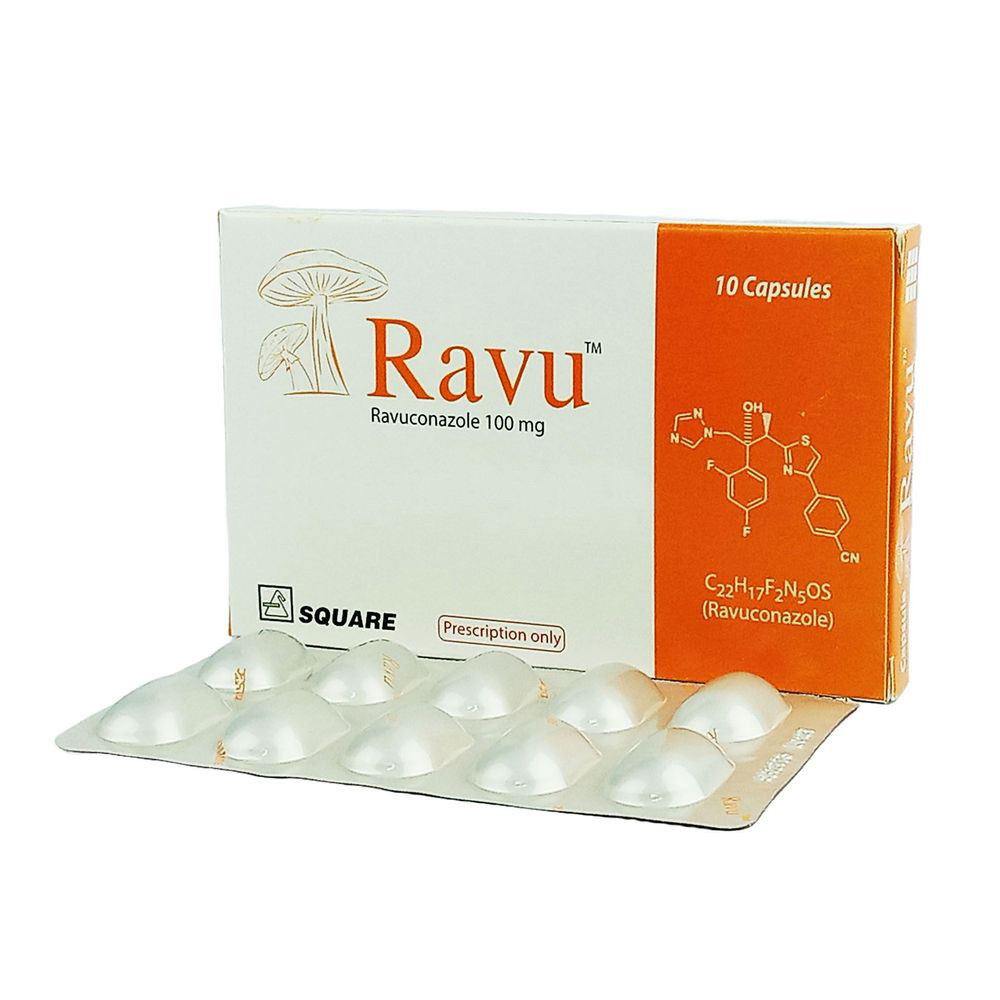
Ravu Capsule, Ravuconazole 100 mg
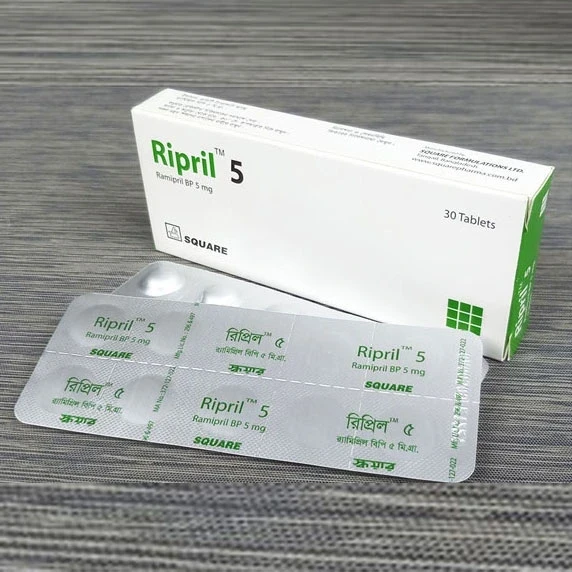
Ripril Tablet, Ramipril 5 mg
Product Queries (0)
Login Or Registerto submit your questions to seller
Other Questions
No none asked to seller yet
-
৳11.40
৳12.00 -
৳42.75
৳45.00 -
৳16.63
৳17.50 -
৳2.14
৳2.25 -
৳9.50
৳10.00