Cosium Tablet, Clobazam 10 mg
Inhouse product
-
 ৳11.40
৳12.00 -
৳42.75
৳45.00 -
৳16.63
৳17.50 -
৳2.14
৳2.25 -
৳9.50
৳10.00


Reviews & Ratings
Indications
Acute and chronic
anxiety states which may produce the following symptoms in particular: anxiety,
tension, restlessness, excitement, irritability, sleep disturbances from
emotional causes, psychovegetative and psychosomatic disorders (for example, in
the cardiovascular or gastrointestinal area), and emotional instability.
In patients with depression or anxiety associated with depression, Cosium must
be used only in conjunction with adequate concomitant treatment. Use of
benzodiazepines alone, can precipitate suicide in such patients. Before
treatment of anxiety states associated with emotional instability, it must
first be determined whether the patient suffers from a depressive disorder
requiring adjunctive or different treatment.
In patients with schizophrenic or other psychotic illnesses, use of
benzodiazepines is recommended only for adjunctive, i.e. not for primary
treatment.
As adjunctive therapy in patients with epilepsy who are not adequately
stabilized with their anticonvulsant monotherapy.
* রেজিস্টার্ড চিকিৎসকের পরামর্শ মোতাবেক ঔষধ সেবন করুন'
Pharmacology
Clobazam binds at
distinct binding sites associated with the chloride ionopore at the
post-synaptic GABA receptor. These GABA receptors are in various locations in
the CNS (limbic, reticular formation) and clobazam increases the duration of
time for which the chloride ionopore is open. As a result, hyper polarization
and stabilization of the membrane occur as the post-synaptic inhibitory effect
of GABA is enhanced.
Dosage
General Dosage: Dosage
and duration of treatment must be adjusted to the indication, the severity of
the condition and the individual clinical response. Due regard must be paid to
the possibility of interference with alertness and reaction time. The
fundamental principle is to keep the dose as low as possible.
Treatment of anxiety states-
Adults and adolescents
over 15 years of age: The initial dose is
usually 20 mg clobazam daily. If necessary, the daily dose may be increased.
Generally, it is recommended that a total daily dose of 30 mg is not exceeded.
Elderly: Increased responsiveness and higher
susceptibility to adverse effects may be present in elderly patients and require
low initial doses and gradual dose increments under careful observation. A
maintenance dose of 10 to 15 mg clobazam daily is frequently sufficient.
Children from 3 to 15
years of age: Increased
responsiveness and higher susceptibility to adverse effects may be present in
children and require low initial doses and gradual dose increments under
careful observation. A daily dose of 5 to 10 mg clobazam is frequently
sufficient. Benzodiazepines must not be given to children without careful
assessment of the need for their use.
Secondary dosage
adjustment: After the
improvement of the symptoms, the dose may be reduced.
Timing of doses: If the dose is to be spread throughout the
day, it is recommended that the larger portion be taken in the evening.
Duration of treatment: The duration of treatment must be as short
as possible. The patient must be reassessed after a period not exceeding 4
weeks and regularly thereafter in order to evaluate the need for continued
treatment, especially where the patient is free of symptoms. Generally, the
overall duration of treatment (i.e. including tapering-of process) must not
exceed 8 to 12 weeks. In certain cases, extension beyond the maximum treatment
period may be necessary; treatment must not be extended without a re-evaluation
of the patient's status using special expertise. It is strongly recommended
that prolonged periods of uninterrupted treatment be avoided, since they may
lead to dependence.
Discontinuation of
treatment: It is strongly
recommended that after prolonged treatment clobazam is not withdrawn suddenly
but rather that the dose is reduced gradually under medical supervision;
otherwise, withdrawal symptoms may occur.
Treatment of epilepsy in combination
with one or more other anticonvulsants-
Adults and adolescents
over 15 years of age: It is recommended
that administration be started at small doses (5 to 15 mg daily), if necessary,
increasing the dose gradually to a maximum daily dose of about 80 mg.
Children from 3 to 15
years of age: It is recommended
that normally treatment be started at 5 mg daily. A maintenance dose of 0.3 to
1.0 mg/kg body weight daily is usually sufficient. Higher susceptibility to
adverse effects may be present in children and require gradual dose increments under
careful observation; Benzodiazepines must not be given to children without
careful assessment of the need for their use.
Elderly: Higher susceptibility to adverse effects may
be present in elderly patients and require low initial doses and gradual dose
increments under careful observation.
Timing of doses: If the dose is spread throughout the day, it
is recommended that the larger portion be taken in the evening. Doses of up to
30 mg clobazam can also be administered as a single evening dose.
Duration of treatment: The patient must be re-assessed after a
period not exceeding 4 weeks and regularly thereafter in order to evaluate the
need for continued treatment.
Discontinuation of
treatment: At the end of
treatment- to include cases in which response to therapy has been poor- it is
strongly recommended that clobazam is not withdrawn suddenly but rather that
the dose is reduced gradually; otherwise an increased susceptibility to
seizures as well as other withdrawal symptoms may occur.
* রেজিস্টার্ড চিকিৎসকের পরামর্শ মোতাবেক ঔষধ সেবন করুন'
Administration
The tablets can be
administered whole, or crushed and mixed in applesauce. The 10 mg tablets can
be divided into equal halves of 5 mg. Clobazam can be given with or without
food.
* রেজিস্টার্ড চিকিৎসকের পরামর্শ মোতাবেক ঔষধ সেবন করুন'
Interaction
Alcohol: Concomitant consumption of alcohol can
increase the bioavailability of Cosium by 50% and therefore lead to increased
Cosium effects.
Central nervous system
depressant drugs: Especially when
Cosium is administered in higher doses, a mutually potentiating effect is to be
expected if other central nervous system depressant drugs (such as
antipsychotics, anxiolytics, certain antidepressant agents, anticonvulsant
drugs, sedative antihistamines, anaesthetics, hypnotics or narcotic analgesics,
or other sedatives) are taken at the same time. Special caution is also
necessary when Cosium is administered in cases of intoxication with such
substances or with lithium.
Opioids: The concomitant use of benzodiazepines,
including Cosium, and opioids increases the risk of sedation, respiratory
depression, coma, and death because of the additive CNS depressant effect.
Limit dosage and duration of concomitant use of benzodiazepines and opioids.
Anticonvulsants: If Cosium is administered simultaneously with
anticonvulsants in the treatment of epilepsy, the dosage must be adjusted under
regular medical supervision (EEG monitoring), as there may be interactions with
the patient's basic anticonvulsant medication. In patients receiving
concomitant treatment with valproic acid, there may be a slight to moderate
rise in plasma valproic acid concentration. Phenytoin plasma levels may rise if
patients receive concomitant treatment with Cosium. Where possible, it is
recommended that blood levels of concomitantly administered valproic acid or
phenytoin be monitored. Carbamazepine and phenytoin may cause an increase in
the metabolic conversion of Cosium to the active metabolite N-desmethyl Cosium.
Stiripentol increases plasma levels of Cosium and its active metabolite N-desmethylCosium,
through inhibition of CYP3A and CYP2C19. Monitoring of blood levels is
recommended, prior to initiation of stiripentol, and then once new steady-state
concentration has been reached, i.e. after 2 weeks approximately.
Narcotic analgesics: If Cosium is used concomitantly with
narcotic analgesics, possible euphoria may be enhanced; this may lead to
increased psychological dependence.
Muscle relaxants: The effects of muscle relaxants and nitrous
oxide may be enhanced.
CYP 2C19 inhibitors: Strong and moderate inhibitors of CYP2C19
may result in increased exposure to N-desmethylCosium (N-CLB), the active
metabolite of Cosium. Dosage adjustment of Cosium may be necessary when
co-administered with strong CYP2C19 inhibitors (e.g., cannabidiol containing
medicinal products, fuconazole, fuvoxamine, ticlopidine) or moderate CYP2C19
inhibitors (e.g. omeprazole).
CYP 2D6 substrates: Cosium is a weak CYP2D6 inhibitor. Dose
adjustment of drugs metabolized by CYP2D6 (e.g. dextromethorphan, pimozide, paroxetine,
nebivolol) may be necessary.
Contraindications
Clobazam must not be
used-
- In patients with
hypersensitivity to clobazam or any of the excipients of Clobazam.
- In patients with myasthenia
gravis (risk of aggravation of muscle weakness).
- In patients with severe
respiratory insufciency (risk of deterioration).
- In patients with sleep apnoea
syndrome (risk of deterioration).
- In patients with severe
impairment of liver function (risk of precipitating encephalopathy).
- In breast-feeding women
Benzodiazepines must not be given to children without careful assessment
of the need for their use.
- Clobazam must not be used in
children between the ages of 6 months and 3 years, other than in
exceptional cases for anticonvulsant treatment where there is a compelling
indication.
Side Effects
Metabolism and
nutrition disorders: Common: decreased
appetite
Psychiatric disorders: Common: irritability, aggression,
restlessness, depression (pre-existing depression may be unmasked), drug
tolerance (especially during prolonged use), agitation.
Nervous system
disorders: Very common:
somnolence, especially at the beginning of treatment and when higher doses are
used; Common: sedation, dizziness, disturbance in attention, slow
speech/dysarthria/ speech disorder (particularly with high doses or in
long-term treatment, and are reversible), headache, tremor, ataxia.
Eye Disorders: Uncommon: diplopia (particularly with high
doses or in long-term treatment and is reversible)
Respiratory, thoracic
and mediastinal disorders:
Not known: respiratory depression respiratory failure (particularly in patients
with pre-existing compromised respiratory function e.g. in patients with
bronchial asthma or brain damage)
Gastrointestinal
disorders: Common: dry mouth,
nausea, constipation
Skin and subcutaneous
disorders: Uncommon: rash; Not
known: photosensitivity reaction urticaria; Steven Johnson syndrome, toxic
epidermal necrolysis (including some cases with fatal outcome);
Musculoskeleteal and
connective tissue disorders:
Not known: muscle spasms, muscle weakness
General disorders and
administration site conditions: Very common: fatigue, especially at the beginning of treatment
and when higher doses are used. Not known: slow response to stimuli,
hypothermia
Investigations: Uncommon: weight increased (particularly
with high doses or in long-term treatment).
Pregnancy & Lactation
Pregnancy: Clobazam is not recommended during the first
trimester of pregnancy and in women of childbearing potential not using
contraception. Clobazam should be used during pregnancy only if the potential
benefit justifies the potential risk to the fetus. Animal studies have
demonstrated reproductive toxicity. Clobazam crosses the placenta. In the
post-marketing safety database, limited data on exposed pregnancies are
available with clobazam. A large amount of data collected from cohort studies
has not demonstrated evidence of the occurrence of malformations following
exposure to benzodiazepines during the first trimester of pregnancy. However,
in certain epidemiological case-control studies, an increased incidence of
cleft lip and palate was observed with benzodiazepines. Cases of reduced fetal
movement and fetal heart rate variability have been described after
administration of benzodiazepines during the second and/or third trimester of
pregnancy. Administration of clobazam during the late phase of pregnancy or during
childbirth can result in the occurrence of neonatal respiratory depression
(including respiratory distress and apnea), which may be associated with other
disorders such as sedation signs, hypothermia, hypotonia, and feeding
difficulties (which may result in poor weight gain) in the newborn (signs and
symptoms of the so-called "floppy infant syndrome"). Moreover,
infants born to mothers who have taken benzodiazepines over longer periods
during the later stages of pregnancy may have developed physical dependence and
may be at risk of developing a withdrawal syndrome in the postnatal period.
Appropriate monitoring of the newborn in the postnatal period is recommended.
Women of childbearing potential should be informed of the risks and benefits of
the use of Clobazam during pregnancy. If a woman plans a pregnancy or becomes
pregnant, carefully evaluate the risks and benefits and whether treatment with
Clobazam should be discontinued. If Clobazam treatment is to be continued, use
Clobazam at the lowest effective dose.
Lactation: Clobazam must not be used in breastfeeding
women, since clobazam passes into breast milk.
Precautions & Warnings
Serious Skin Reactions: Serious skin reactions, including
Stevens-Johnson syndrome (SJS) and toxic epidermal necrolysis (TEN), have been
reported with Cosium in both children and adults during the post-marketing
experience. A majority of the reported cases involved the concomitant use of
other drugs, including antiepileptic drugs that are associated with serious
skin reactions. SJS/TEN could be associated with a fatal outcome. Patients
should be closely monitored for signs or symptoms of SJS/TEN, especially during
the first 8 weeks of treatment. Cosium should be immediately discontinued when
SJS/TEN is suspected. If signs or symptoms suggest SJS/TEN, use of Cosium
should not be resumed and alternative therapy should be considered.
Respiratory depression: Cosium can cause respiratory depression,
especially if administered in high doses. Therefore in patients with chronic or
acute respiratory insufficiency, respiratory function must be monitored and a
dose reduction may be necessary. Cosium is contraindicated in patients with
severe respiratory insufficiency.
Muscle weakness: Cosium can cause muscle weakness. Cosium is
contraindicated in patients with myasthenia gravis.
Renal and hepatic
impairment: In patients with
impairment of renal or hepatic function, responsiveness to Cosium and
susceptibility to adverse effects are increased, and a dose reduction may be
necessary. In long-term treatment, renal and hepatic function must be checked
regularly.
Elderly patients: In the elderly, due to the increased
sensitivity to adverse reactions such as drowsiness, dizziness, muscle
weakness, there is an increased risk of fall that may result in serious injury.
A dose reduction is recommended.
Tolerance in epilepsy: In the treatment of epilepsy with
benzodiazepines- including Cosium, consideration must be given to the
possibility of a decrease in anticonvulsant efficacy (development of tolerance)
in the course of treatment.
CYP2C19 poor
metabolizers: In patients who are
CYP2C19 poor metabolizers, levels of the active metabolite N-desmethylCosium
are expected to be increased as compared to extensive metabolizers. Dosage
adjustment of Cosium may be necessary (e.g. low starting dose with careful dose
titration).
Suicidality: Several epidemiological studies show an
increased incidence of suicide and suicide attempt in patients with or without
depression, treated with other benzodiazepines and hypnotics. There are very
limited data available for Cosium in these studies. Cases of suicidal behavior
have been reported with Cosium in post-marketing surveillance. All of these
cases had confounding factors.
Concomitant use of
CYP2C19 inhibitors: The concomitant use
of Cosium with CYP2C19 inhibitors, including cannabidiol containing medicinal
products, dietary supplements and recreational products may result in increased
exposure to N-desmethylCosium (NCLB). Such increases might lead to increased
adverse effects, such as somnolence and sedation. When used with medicinal
products that are CYP2C19 inhibitors dosage adjustment of Cosium may be
necessary. Dietary supplements and recreational products containing cannabidiol
must not be taken in combination with Cosium as they contain unknown quantities
of cannabidiol and are of variable quality
Therapeutic Class
Benzodiazepine
hypnotics
Storage Conditions
Do not use the
medicine later than the date of expiry. Store below 30° and protect from light.
Keep out of the reach of children.
Frequently Bought Products


Viodin Solution 15 ml bottle, Povidone Iodine 10% w/v

Genolev TS Ophthalmic Solution 5 ml drop, Levofloxacin 1.5%
![Filwel Teen Hr Tablet, Multivitamin & Multimineral [A-Z teen girls preparation]](https://old.skpharma.com.bd/public/uploads/all/5zKZjepCHo5OG81j2ysKQwplpr02kMViZZHeDw9l.webp)

Gintonic Capsule, Panax Ginseng 500 mg
![Ferti-Q Capsule, Coenzyme Q10 [Ubidecarenone] 200 mg](https://old.skpharma.com.bd/public/uploads/all/4USunYZGu8yi56k0S6HmzL0srvf1vdfx3h1VRrqG.jpg)
Ferti-Q Capsule, Coenzyme Q10 [Ubidecarenone] 200 mg


Fluzin Tablet (10 tablet Strip), Flunarizine 5 mg
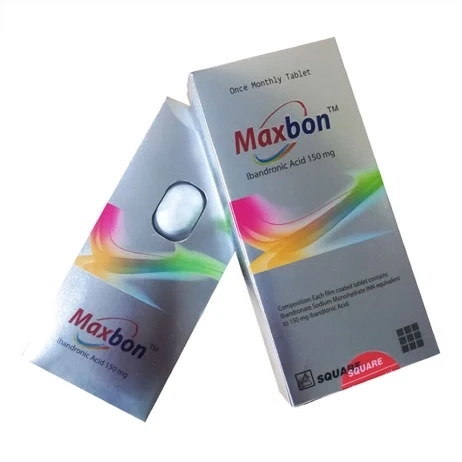
Maxbon Tablet, Ibandronic Acid 150 mg
![D-Balance Oral Solution, Cholecalciferol [Vitamin D3] 2000 IU/ml, 50ml](https://old.skpharma.com.bd/public/uploads/all/7tbvWMTBd9lKhWNynAoWzHw9cJTnE8pvolWBw5HB.webp)
Product Queries (0)
Login Or Registerto submit your questions to seller
Other Questions
No none asked to seller yet
-
৳11.40
৳12.00 -
৳42.75
৳45.00 -
৳16.63
৳17.50 -
৳2.14
৳2.25 -
৳9.50
৳10.00