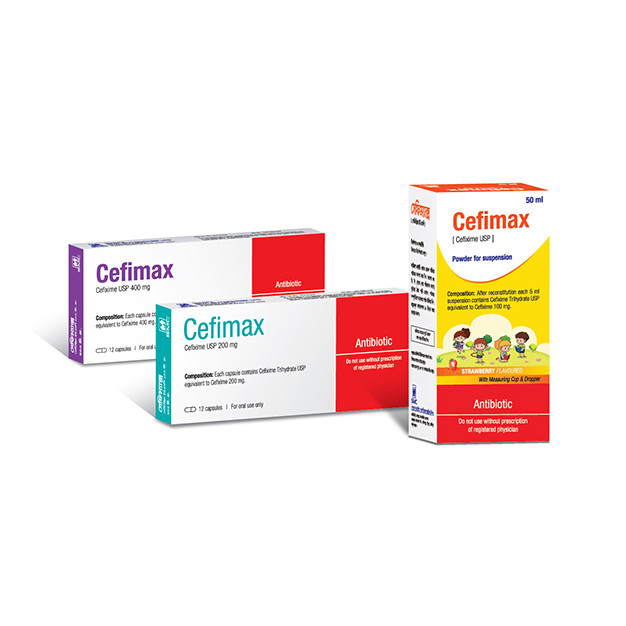
Cefimax Capsule, Cefixime Trihydrate 400 mg
Inhouse product
-
 ৳11.40
৳12.00 -
৳42.75
৳45.00 -
৳16.63
৳17.50 -
৳2.14
৳2.25 -
৳9.50
৳10.00


Reviews & Ratings
Indications
Cefimax is an orally
active cephalosporin antibiotic which has marked in-vitro bactericidal activity
against a wide variety of Gram-positive and Gram-negative organism. It is
indicated for the treatment of the following acute infections when caused by
susceptible microorganisms.
Upper Respiratory Tract Infections
(URTI): e.g. otitis media;
and other URTI where the causative organism is known or suspected to be
resistant to other commonly used antibiotics, or where treatment failure may
carry significant risk. Lower Respiratory Tract Infections-e.g. bronchitis.
Urinary Tract Infections: e.g. cystitis, cystourethritis,
pyelonephritis. Clinical efficacy has been demonstrated in infections caused by
commonly occurring pathogens including Streptococcus pneumonia, Streptococcus
pyogenes, Escherichia coli, Proteus mirabilis, Klebsiella species, Haemophilus
influenzae (beta-lactamase positive and negative), Moraxella catarrhalis
(beta-lactamase positive and negative) and Enterobacter species. Cefimax is
highly stable in the presence of beta-lactamase enzymes.
* রেজিস্টার্ড চিকিৎসকের পরামর্শ মোতাবেক ঔষধ সেবন করুন'
Pharmacology
Cefixime is a third
generation semisynthetic cephalosporin antibiotic for oral administration. It
is bactericidal against a broad spectrum of gram positive and gram negative
bacteria at easily achievable plasma concentrations. It kills bacteria by
interfering in the synthesis of bacterial cell wall. It is highly stable in the
presence of Beta-lactamase enzyme. As a result, many organisms resistant to
penicillins and some cephalsporins due to the presence of beta-lactamases, may
be susceptible to Cefixime. Absorption of it is about 40% to 50% whether
administered with or without food.
Dosage & Administration
Absorption of Cefixime
is not significantly modified by the presence of food. The usual course of
treatment is 7 days. This may be continued for up to 14 days if required.
Adults and children over 10 years: The recommended adult dosage is 200-400 mg
daily according to the severity of the infection, given either as a single dose
or in two divided doses.
Elderly: Elderly patients may be given the same dose
as recommended for adults. Renal function should be assessed and dosage should
be adjusted in severe renal impairment.
Children: The recommended dosage for children is 8
mg/kg/day administered as a single dose or in two divided doses. As a general
guide for prescribing in children the following daily doses in terms of volume
of suspension are suggested:
- 6 months up to 1 year: 3.75 ml
daily
- Children 1-4 years: 5 ml daily
- Children 5-10 years: 10 ml
daily
In typhoid: the recommended children dose is 5 mg/kg
body weight twice daily for 10-14 days.
Children weighing more than 50 kg
or older than 10 years:
Should be treated with the recommended adult dose 200-400 mg daily depending on
the severity of infection.
Children aged less than 6 months: The safety and efficacy of Cefixime has not
been established in children aged less than 6 months.
Dosage in Renal Impairment: Cefixime may be administered in the presence
of impaired renal function. Normal dose and schedule may be given in patients
with creatinine clearances of 20 ml/min or greater. In patients whose
creatinine clearance is less than 20 ml/min, it is recommended that a dose of
200 mg once daily should not be exceeded. The dose and regimen for patients who
are maintained on chronic ambulatory peritoneal dialysis or haemodialysis
should follow the same recommendation as that for patients with creatinine
clearances of less than 20 ml/min.
* রেজিস্টার্ড চিকিৎসকের পরামর্শ মোতাবেক ঔষধ সেবন করুন'
Interaction
In common with other
cephalosporins, increases in prothrombin times have been noted in a few
patients. Care should therefore be taken in patients receiving anticoagulant
therapy.
Contraindications
Patients with known
hypersensitivity to cephalosporin antibiotics.
Side Effects
Cefimax is generally
well tolerated. The majority of adverse reactions observed in clinical trials
were mild and self limiting in nature. Gastrointestinal disturbances: The most
frequent side-effects seen with Cefimax are diarrhoea and stool changes;
diarrhoea has been more commonly associated with higher doses. Other
gastrointestinal side-effects seen less frequently are nausea, abdominal pain,
dyspepsia, vomiting and flatulence. Pseudomembraneous colitis has been
reported. Central nervous system: headache and dizziness. Hypersensitivity
reactions: allergies in the form of rash, pruritis, urticaria, drug fever and
arthralgia have been observed. These reactions usually subsided upon
discontinuation of therapy. Hematological and clinical chemistry:
thrombocytopenia, leukopenia and eosinophilia have been reported. These
reactions were infrequent and reversible. Mild transient change in liver and
renal function tests have been observed. Miscellaneous: other possible
reactions include genital pruritis and vaginitis.
Pregnancy & Lactation
There are, however, no
adequate and well-controlled studies in pregnant women. Because animal
reproduction studies are not always predictive of human response, this drug
should be used during pregnancy only if clearly needed. It is not known that
Cefixime is excreted in human milk. So, caution should be exercised when
Cefixime is administered to a nursing woman.
Precautions & Warnings
Cefimax should be
given with caution to patients who have shown hypersensitivity to other drugs.
Cephalosporin should be given with caution to penicillin-sensitive patients, as
there is some evidence of partial cross-allergenicity between the penicillins
and the cephalosporins. Patients have had severe reactions (including
anaphylaxis) to both classes of drugs. If an allergic effect occurs with
Cefimax, the drug should be discontinued and the patient treated with
appropriate agents if necessary. Cefimax should be administered with caution in
patients with markedly impaired renal function. Treatment with broad spectrum antibiotics
alters the normal flora of the colon and may permit overgrowth of clostridia.
Studies indicate that a toxin produced by Clostridium difficile is a primary
cause of antibiotic-associated diarrhoea. Use in pregnancy and lactation: There
are no adequate and well-controlled studies in pregnant women. Cefimax should
therefore not be used in pregnancy or in nursing mothers unless considered
essential by the physician.
Overdose Effects
Gastric Lavage may be
indicated; otherwise, no specific antidote exists. Cefimax is not removed in
significant quantities from the circulation by hemodialysis or peritoneal
dialysis. Adverse reactions in small numbers of healthy adult volunteers
receiving single doses up to 2 g of Cefimax did not differ from the profile seen
in patients treated at the recommended doses.
Therapeutic Class
Third generation
Cephalosporins
Storage Conditions
Keep below 30ºC
temperature, protected from light & moisture. Keep out of the reach of
children.
Chemical Structure
|
Molecular Formula : |
C16H15N5O7S2 |
|
Chemical Structure : |
Common Questions about Cefimax 400 mg Capsule
What is Cefimax 400 mg Capsule?
Cefimax 400 mg Capsule
is an antibiotic used to treat bacterial infection. This medicine does not work
for viral infections like flu. It works by preventing them from forming the
bacterial protective covering (cell wall) which is essential for their development.
What are the uses of Cefimax 400 mg Capsule?
Cefimax 400 mg Capsule
is used for the treatment and prevention from conditions such as Urinary Tract
Infection, Tonsillitis, Pharyngitis, and Bronchitis. Apart from these, it can
also be used to treat conditions of Fungal and Gonococcal Infections.
What are the Side Effects of Cefimax 400 mg
Capsule?
Cefimax 400 mg Capsule
has some commonly reported side effects. Some of these side-effects may be
serious. These are Diarrhea, Abdominal pain, Dark or clay-colored stools,
Swelling of the face, lips, eyelids, tongue, hands, and feet, Dizziness, Acid
or sour stomach, excessive gas in the stomach, Heartburn, Indigestion, Redness
of the skin, Chest pain, Sore throat, and Unusual tiredness.
What are the instructions for storage and
disposal Cefimax 400 mg Capsule?
This medication should
be kept in a cool dry place and in its original pack. Make sure Cefimax 400 mg
Capsule remains unreachable to children and pets. Proper disposal of the
expired and unused medications is important to avoid health problems.
Will Cefimax 400 mg Capsule work for treating
cold and flu?
This medication
belongs to an antibiotic class of drugs, hence Cefimax 400 mg Capsule won't
work for colds, flu, or other viral infections. If you use antibiotics when
they are not needed, it increases your risk of getting an infection later that
resists antibiotic treatment.
Is there any special dietary instruction which
I should follow?
Continue your normal
diet unless your doctor asks you to change.
Is Cefimax 400 mg Capsule can be used to treat
diarrhoea?
No, Cefimax 400 mg
Capsule is not prescribed to treat diarrhoea.
Is it safe to give Cefimax 400 mg Capsule to
infants?
The safety of Cefimax
400 mg Capsule, in case of newborns or infants aging less than 6 months, has
not been positively established. Thus you need to consult a doctor before
administering this medicine to an infant.
Does Cefimax 400 mg Capsule is a penicillin
variant?
No, Cefimax 400 mg
Capsule is not a penicillin variant. This medication belongs to cephalosporin
antibiotic and functions in a similar way to that of penicillin. Concurrent use
of these two must be discussed with a doctor.
Does Cefimax 400 mg Capsule cause
loose-motion?
Diarrhoea is a known
side effect of Cefimax 400 mg Capsule although it has been associated with
higher doses only.
Is constipation associated with Cefimax 400 mg
Capsule?
Constipation is an
unusual side effect of Cefimax 400 mg Capsule. In case, it causes persistent
constipation and seems circumstantially related to the ingestion of this
medication, must consult a doctor.
Does Cefimax 400 mg Capsule interact with
contraception?
No such evidence
suggested the effect of Cefimax 400 mg Capsule on contraceptive medications.
Can I take acetaminophen along with Cefimax
400 mg Capsule?
No interactions have
been clinically proven between Cefimax 400 mg Capsule and Acetaminophen
(Paracetamol). It is advisable to consult a doctor before concurrent use of
these two medicines.
How long does Cefimax 400 mg Capsule take to
work?
Cefimax 400 mg Capsule
start working as soon after you ingest it. However, it may take a few days to
kill the harmful bacteria and relieve the symptoms completely. It is advised to
complete the medication course for the suggested days.
What if I do not get better after using
Cefimax 400 mg Capsule?
Inform your doctor if
you do not feel better even after finishing the full course of treatment. You
must also inform your doctor if the symptoms get worse while using this
medicine.
Quick Tips
- Your doctor has prescribed
Cefimax 400 mg Capsule to cure your infection and improve your symptoms.
- Do not skip any doses and
finish the full course of treatment even if you feel better. Stopping it
early may make the infection harder to treat.
- Take it with food to avoid an
upset stomach.
- Diarrhea may occur as a side
effect but should stop when your course is complete. Inform your doctor if
it does not stop or if you find blood in your stools.
- Avoid consuming alcohol while
taking Cefimax 400 mg Capsule as it may cause increased side effects.
- Discontinue Cefimax 400 mg
Capsule and inform your doctor immediately if you get a rash, itchy skin,
swelling of face and mouth, or have difficulty in breathing.
* রেজিস্টার্ড চিকিৎসকের পরামর্শ মোতাবেক ঔষধ সেবন করুন'
Frequently Bought Products
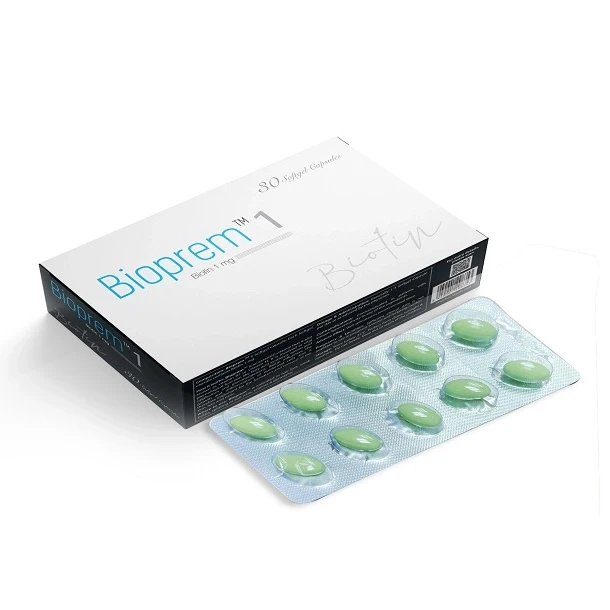
Bioprem Capsule, Biotin 1000 mcg


Cefotil IM/IV Injection, Cefuroxime Axetil 750 mg/vial

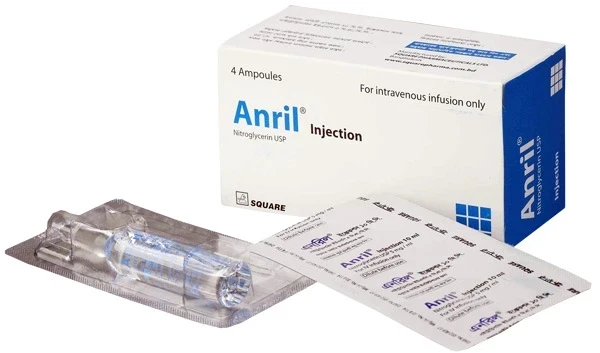
Anril IV Infusion , Nitroglycerin 50 mg/10 ml
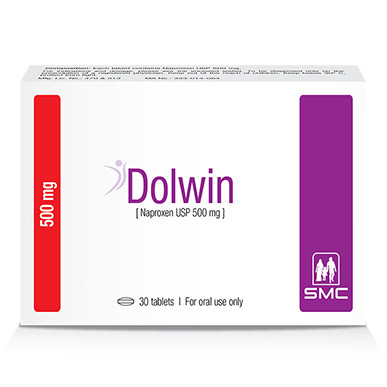
Dolwin Tablet, Naproxen Sodium 500 mg
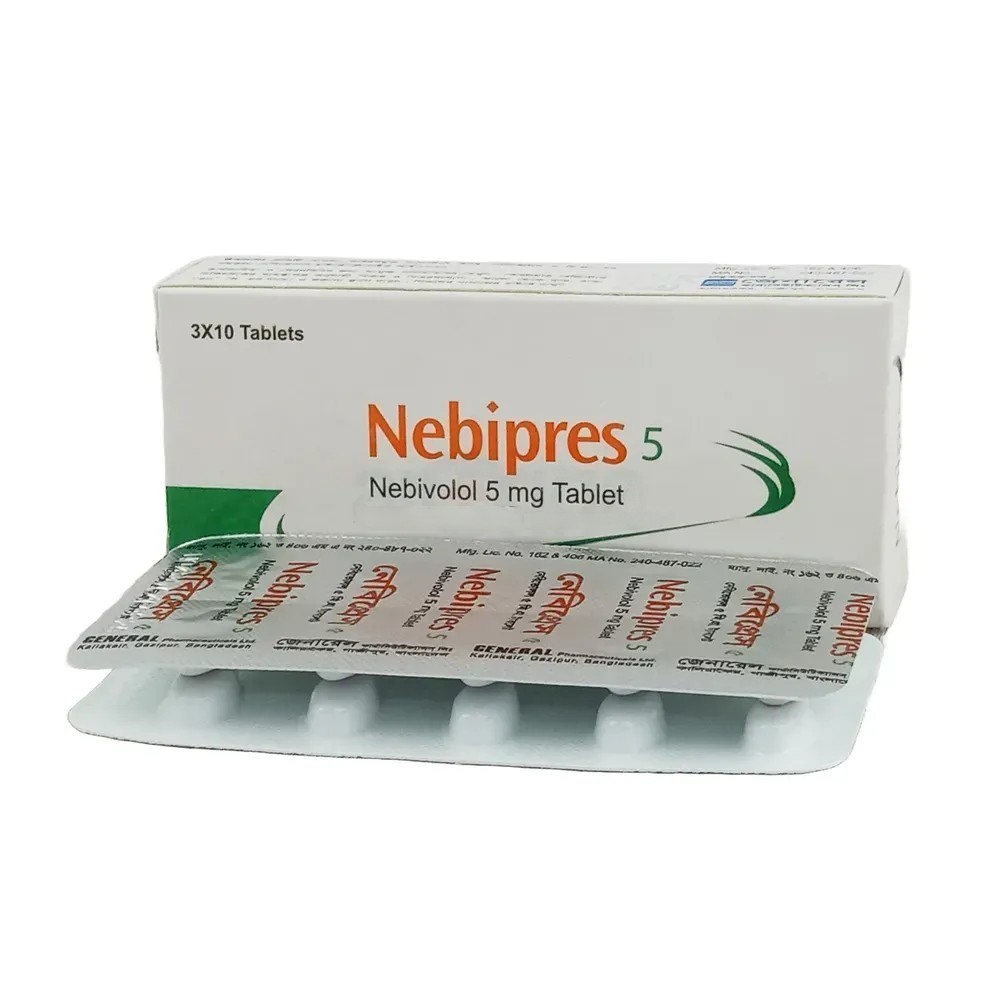
Nebipres Tablet, Nebivolol Hydrochloride 5 mg
Product Queries (0)
Login Or Registerto submit your questions to seller
Other Questions
No none asked to seller yet
-
৳11.40
৳12.00 -
৳42.75
৳45.00 -
৳16.63
৳17.50 -
৳2.14
৳2.25 -
৳9.50
৳10.00