Betabis Plus Tablet, Bisoprolol Fumarate + Hydrochlorothiazide 2.5 mg+6.25 mg
Inhouse product
-
 ৳11.40
৳12.00 -
৳42.75
৳45.00 -
৳16.63
৳17.50 -
৳2.14
৳2.25 -
৳9.50
৳10.00


Reviews & Ratings
Indications
Betabis Plus tablet is
indicated in the treatment of Hypertension.
* রেজিস্টার্ড চিকিৎসকের পরামর্শ মোতাবেক ঔষধ সেবন করুন'
Pharmacology
Bisoprolol Fumarate
and Hydrochlorothiazide have been used individually and in combination for the
treatment of hypertension. The antihypertensive effects of these agents are
additive; Hydrochlorothiazide 6.25 mg significantly increases the antihypertensive
effect of Bisoprolol Fumarate. The incidence of hypokalemia with the Bisoprolol
Fumarate and Hydrochlorothiazide 6.25 mg combination is significantly lower
than with Hydrochlorothiazide 25 mg. Bisoprolol Fumarate is a β1-selective
(cardioselective) adrenoceptor blocking agent without significant membrane
stabilizing or intrinsic sympathomimetic activities in its therapeutic dose
range. Hydrochlorothiazide is a benzothiadiazine diuretic. Thiazides affect
renal tubular mechanisms of electrolyte reabsorption and increase excretion of
sodium and chloride in approximately equivalent amounts
Dosage & Administration
Bisoprolol is an
effective treatment of hypertension in once-daily doses of 2.5 to 40 mg, while
Hydrochlorothiazide is effective in doses of 12.5 to 50 mg. In clinical trials
of Bisoprolol/Hydrochlorothiazide combination therapy using Bisoprolol doses of
2.5 to 20 mg and Hydrochlorothiazide doses of 6.25 to 25 mg, the
antihypertensive effects increased with increasing doses of either component.
Initial Therapy: Antihypertensive therapy may be initiated
with the lowest dose of this conbination, one 2.5/6.25 mg tablet once daily.
Subsequent titration (14 day intervals) may be carried out with this tablets up
to the maximum recommended dose 20/12.5 mg once daily, as appropriate.
Replacement Therapy: The combination may be substituted for the
titrated individual components.
Therapy Guided by
Clinical Effect: A patient whose
blood pressure is not adequately controlled with 2.5-20 mg Bisoprolol daily may
instead be given this conbination. Patients whose blood pressures are
adequately controlled with 50 mg of hydrochlorothiazide daily, but who
experience significant potassium loss with this regimen, may achieve similar
blood pressure control without electrolyte disturbance if they are switched to
this conbination.
* রেজিস্টার্ড চিকিৎসকের পরামর্শ মোতাবেক ঔষধ সেবন করুন'
Interaction
Betabis Plus drug may
potentiate the action of other antihypertensive agents used concomitantly.
Betabis Plus drug should not be combined with other beta-blocking agents.
Patients receiving catecholamine-depleting drugs, such as reserpine or
guanethidine, should be closely monitored because the added beta-adrenergic
blocking action of Bisoprolol Fumarate may produce excessive reduction of
sympathetic activity. In patients receiving concurrent therapy with clonidine,
if therapy is to be discontinued, it is suggested that Betabis Plus drug be
discontinued for several days before the withdrawal of clonidine. Betabis Plus
drug should be used with caution when myocardial depressants or inhibitors of
AV conduction, such as certain calcium antagonists (particularly of the
phenylalkylamine [verapamil] and benzothiazepine [diltiazem] classes) or
antiarrhythmic agents, such as disopyramide, are used concurrently. Both
digitalis glycosides and beta-blockers slow atrioventricular conduction and
decrease heart rate. Concomitant use can increase the risk of bradycardia.
Contraindications
It is contraindicated
in patients in cardiogenic shock, overt cardiac failure, second or third degree
AV block, marked sinus bradycardia, anuria and hypersensitivity to either
component of this product or to other sulfonamide-derived drugs.
Side Effects
Generally well
tolerated. Most side effects have been mild and transient. Side effects which
may occur: fatigue, dizziness, headache, bradycardia, arrhythmia, peripheral
ischemia, chest pain, palpitations, rhythm disturbances, cold extremities,
claudication, orthostatic hypotension, diarrhoea, constipation, nausea,
dyspepsia, rhinitis, pharyngitis etc.
Pregnancy & Lactation
Use in Pregnancy: Pregnancy Category C. There are no adequate
and well-controlled studies in pregnant women. Bisoprolol Fumarate and
Hydrochlorothiazide should be used during pregnancy only if the potential
benefit justifies the risk to the fetus.
Use in Nursing Mothers: Bisoprolol Fumarate alone or in combination
with Hydrochlorothiazide has not been studied in nursing mothers. Thiazides are
excreted in human breast milk. Small amounts of Bisoprolol Fumarate have been
detected in the milk of lactating rats. Because of the potential for serious
adverse reactions in nursing infants, a decision should be made whether to
discontinue nursing or to discontinue the drug, taking into account the
importance of the drug to the mother.
Precautions & Warnings
Hyperuricemia or acute
gout may be precipitated in certain patients receiving thiazide diuretics.
Warning signs or symptoms of fluid and electrolyte imbalance include dryness of
mouth, thirst, weakness, lethargy, drowsiness, restlessness, muscle pains or
cramps, muscular fatigue, hypotension, oliguria, tachycardia and gastrointestinal
disturbances such as nausea and vomiting. Hypokalemia may develop. If
withdrawal of Betabis Plus therapy is planned, it should be achieved gradually
over a period of about 2 weeks. Patients should be carefully observed.
Overdose Effects
There are limited data
on overdose with Betabis Plus product. The most frequently observed signs
expected with overdosage of a beta-blocker are bradycardia and hypotension.
Lethargy is also common and with severe overdoses, delirium, coma, convulsions,
and respiratory arrest have been reported to occur. Congestive heart failure,
bronchospasm, and hypoglycemia may occur. With thiazide diuretics, acute
intoxication is rare. The most prominent feature of overdose is acute loss of
fluid and electrolytes. Signs and symptoms include cardiovascular (tachycardia,
hypotension, shock), neuromuscular (weakness, confusion, dizziness, cramps of
the calf muscles, paresthesia, fatigue, impairment of consciousness),
gastrointestinal (nausea, vomiting, thirst), renal (polyuria, oliguria, or
anuria), and laboratory findings (hypokalemia, hyponatremia, hypochloremia,
alkalosis, increased BUN [especially in patients with renal insufficiency]).
Therapeutic Class
Combined
antihypertensive preparations
Storage Conditions
Keep below 30°C
temperature, away from light & moisture. Keep out of the reach of children.
Frequently Bought Products

Nebita Tablet, Nebivolol Hydrochloride 5 mg

Imaceva Tablet, Imatinib Mesylate 100 mg

Bilan Kids Dispersible Tablet, Bilastine 10 mg
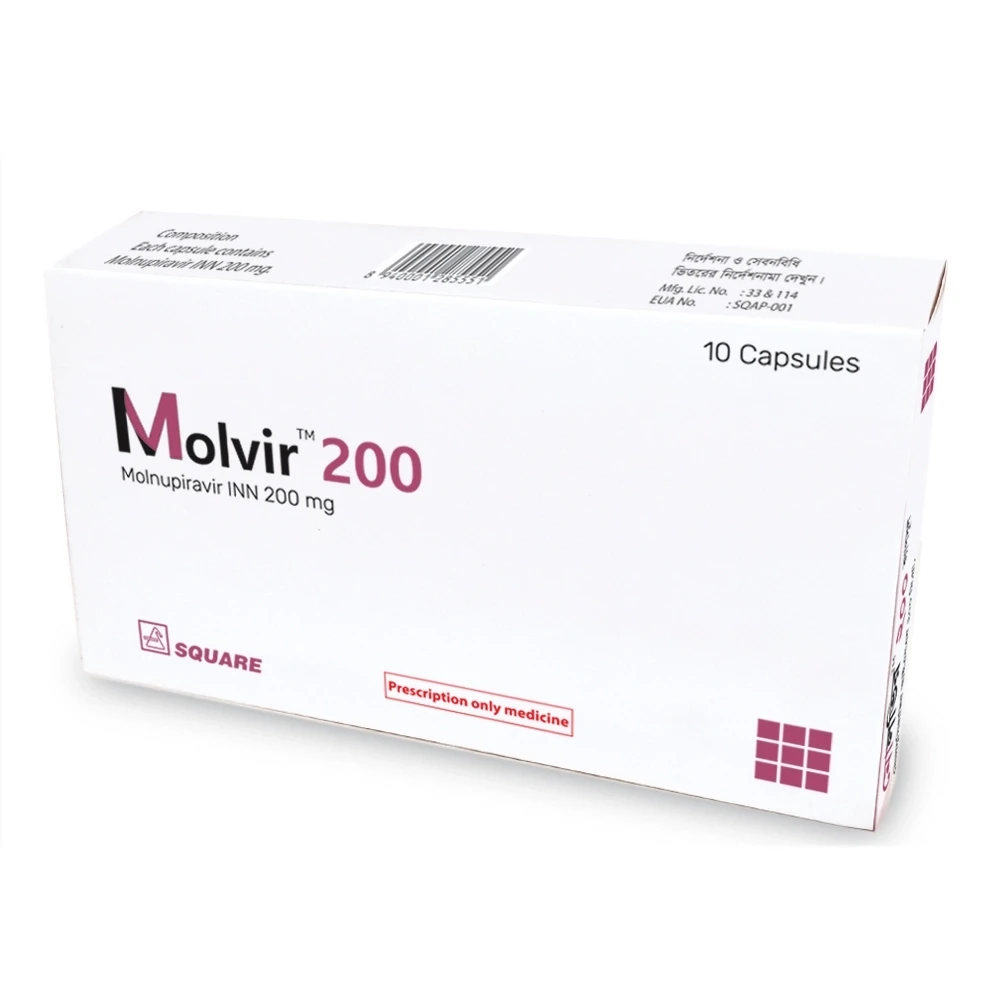
Molvir Capsule, Molnupiravir 200 mg
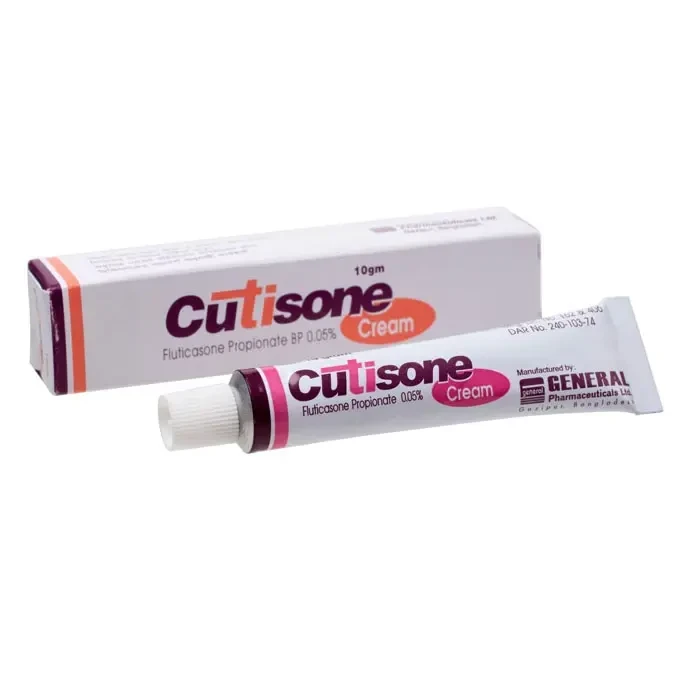
Cutisone Cream 10 gm tube, Fluticasone Propionate 0.05%

Neurolin Capsule, Pregabalin 75 mg

Zanthin Capsule, Astaxanthin 2 mg

Tridyl Tablet, Trihexyphenidyl Hydrochloride 5 mg
Product Queries (0)
Login Or Registerto submit your questions to seller
Other Questions
No none asked to seller yet
-
৳11.40
৳12.00 -
৳42.75
৳45.00 -
৳16.63
৳17.50 -
৳2.14
৳2.25 -
৳9.50
৳10.00