Betabis-A Tablet, Bisoprolol Fumarate + Amlodipine Besilate 2.5 mg+5 mg
Inhouse product
-
 ৳11.40
৳12.00 -
৳42.75
৳45.00 -
৳16.63
৳17.50 -
৳2.14
৳2.25 -
৳9.50
৳10.00


Reviews & Ratings
Indications
Betabis-A tablet is
indicated for the treatment of hypertension as substitution therapy in patients
adequately controlled with the individual products given concurrently at the
same dose level as in the combination, but as separate tablets.
* রেজিস্টার্ড চিকিৎসকের পরামর্শ মোতাবেক ঔষধ সেবন করুন'
Pharmacology
Amlodipine is a
dihydropyridine calcium antagonist that inhibits the transmembrane influx of
calcium ions into vascular smooth muscle and cardiac muscle. The contractile
processes of cardiac muscle and vascular smooth muscle are dependent upon the
movement of extracellular calcium ions into these cells through specific ion
channels. Amlodipine inhibits calcium ion influx across cell membranes
selectively, with a greater effect on vascular smooth muscle cells than on
cardiac muscle cells. Amlodipine acts directly on vessels to cause a reduction
in peripheral vascular resistance and reduction in blood pressure.
Bisoprolol Fumarate is a synthetic, beta1-selective (cardioselective)
adrenoceptor blocking agent, lacking intrinsic sympathomimetic and relevant
membrane stabilizing activity. It only shows low affinity to the beta2 receptor
of the smooth muscles of bronchi and vessels as well as to the beta2-receptors
concerned with metabolic regulation. Therefore, bisoprolol is generally not to
be expected to influence airway resistance and beta2-mediated metabolic
effects. Its beta1-selectivity extends beyond the therapeutic dose range.
Dosage &
Administration
One tablet once daily
in patients whose blood pressure is adequately controlled with separately
administered monocomponent products of the same doses as the recommended
fixed-dose combination.
* রেজিস্টার্ড চিকিৎসকের পরামর্শ মোতাবেক ঔষধ সেবন করুন'
Interaction
Combinations not
recommended: Calcium antagonists
of the verapamil and diltiazem type, centrally-acting antihypertensive drugs.
Combinations to be
used with caution: Strong or moderate
CYP3A4 inhibitors, CYP3A4 inducers, simvastatin, Tacrolimus, Cyclosporine,
class I antiarrhythmic drugs, class III antiarrhythmic drugs,
parasympathomimetic drugs, topical beta-blockers (e.g. eye drops), insulin and
oral antidiabetic drugs, anesthetic agents, digitalis glycosides, non-steroidal
anti-inflammatory drugs (NSAIDs), sympathomimetic agents, antihypertensive
agents and other drugs with blood pressure lowering potential.
Combinations to be
considered: Mefloquine,
Rifampicin, Ergotamine derivatives, MAO inhibitors (except MAO-B inhibitor).
Contraindications
Acute heart failure or
during episodes of heart failure decompensation, obstruction of the outflow
tract of the left ventricle (e.g. high grade aortic stenosis), cardiogenic shock,
second or third degree AV block, sick sinus syndrome, sinoatrial block,
symptomatic bradycardia or hypotension, severe bronchial asthma, severe forms
of peripheral arterial occlusive disease or severe forms of Raynaud’s syndrome,
untreated phaeochromocytoma metabolic acidosis, hypersensitivity to bisoprolol,
amlodipine, dihydropyridine derivates or to any of the excipients.
Side Effects
Common: Dizziness, headache, somnolence,
palpitations, flushing, feeling of coldness or numbness in the extremities,
gastrointestinal complaints such as nausea, vomiting, diarrhea, constipation,
abdominal pain; edema (e.g. ankle edema), fatigue.
Uncommon: Insomnia, mood changes (incl. anxiety),
depression, sleep disorders, hypaesthesia, paresthesia, dysgeusia, tremor,
visual disturbances (incl. diplopia), tinnitus, AV conduction disturbances,
worsening of pre existing heart failure, bradycardia, hypotension, syncope,
dyspnea, bronchospasm in patients with bronchial asthma or a history of
obstructive airway disease, rhinitis, dyspepsia, dry mouth, alopecia, purpura,
skin discoloration, pruritus, exanthema, arthralgia, myalgia, muscular
weakness, muscle cramps, back pain, micturition disorder, nocturia,
pollakisuria, potency disorders, gynecomastia, asthenia, chest pain, pain,
malaise, weight increase, weight decrease.
Rare: Allergic reactions mainly affecting the
skin, nightmares, hallucinations, confusion, decreased tear secretion, hearing
disorders, allergic rhinitis, hepatitis, increased triglycerides, increased
liver enzymes (ALAT, ASAT).
Pregnancy &
Lactation
Pregnancy and
Lactation: Not recommended.
Precautions &
Warnings
Patients with heart
failure should be treated with caution. An increased risk of a further
deterioration of the ventricular pump function cannot be excluded. Since the
abrupt withdrawal of bisoprolol may lead to a transitory worsening of the
clinical condition, especially in patients with ischemic heart disease, the
treatment must not be stopped abruptly. Caution is advised in patients with
impaired hepatic function. Beta-blockers should be avoided in patients with
obstructive airways diseases unless there are compelling clinical reasons for
their use. Due to the bisoprolol component treatment must be used with caution
in: bronchospasm (bronchial asthma, chronic obstructive airways disease;
concomitant bronchodilating therapy may be recommended); diabetes mellitus
showing large fluctuations in blood glucose values, symptoms of hypoglycemia
can be masked; strict fasting; ongoing desensitization therapy; first degree AV
block; Prinzmetal’s angina; peripheral arterial occlusive disease. Patients
with psoriasis or with a history of psoriasis should only be given
beta-blockers (e.g. bisoprolol) after a careful balancing of benefits and
risks. Symptoms of thyrotoxicosis may be masked. In patients undergoing general
anesthesia, the anesthetist must be aware of beta-blockade. If it is thought
necessary to withdraw beta blocker therapy before surgery, this should be done
gradually and completed about 48 hours before anesthesia.
Use in Special
Populations
Geriatric use: The usual doses can be administered to
elderly people; however, caution is advised when the dose is increased.
Pediatric use: The safety and efficacy of Bisoprolol
fumarate/amlodipine in children and adolescents below the age of 18 years have
not been established. No data are available.
Patients with Liver
disease: In case of hepatic
impairment elimination of amlodipine may be elongated. Exact dosage
recommendations concerning amlodipine have not been established, but the drug
should therefore be administered with special caution in these patients. In
case of severe hepatic impairment, the daily dose of bisoprolol must not exceed
10 mg.
Patients with Kidney
disease: No dosage adjustment
is required for patients with mild to moderate renal impairment. Amlodipine is
not dialyzable. Amlodipine should be administered with particular caution to
patients undergoing dialysis. In case of severe renal impairment (creatinine
clearance <20 ml/min) the daily dose of bisoprolol must not exceed 10 mg
Overdose Effects
Most common signs
expected with overdose of a beta-blocker are bradycardia, hypotension,
bronchospasm, acute cardiac insufficiency, hypoglycemia. According to available
data gross overdose of amlodipine could result in excessive peripheral
vasodilation and possibly reflex tachycardia. Marked and probably prolonged
systemic hypotension up to and including shock with fatal outcome have been
reported. In general, if overdose occurs, discontinuation of treatment and
supportive and symptomatic treatment is recommended.
Therapeutic Class
Anti-hypertensive
Storage Conditions
Keep in a dry place,
below 30°C. Protect from light. Keep out of the reach of children.
Frequently Bought Products
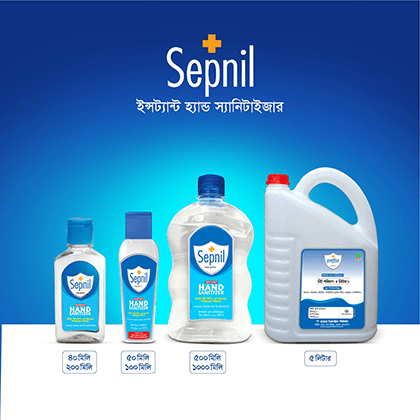
Sepnil Solution Chlorhexidine Gluconate + Cetrimide 1.5%+15%

Bet-A Cream 20 gm tube, Betamethasone Valerate 0.1%
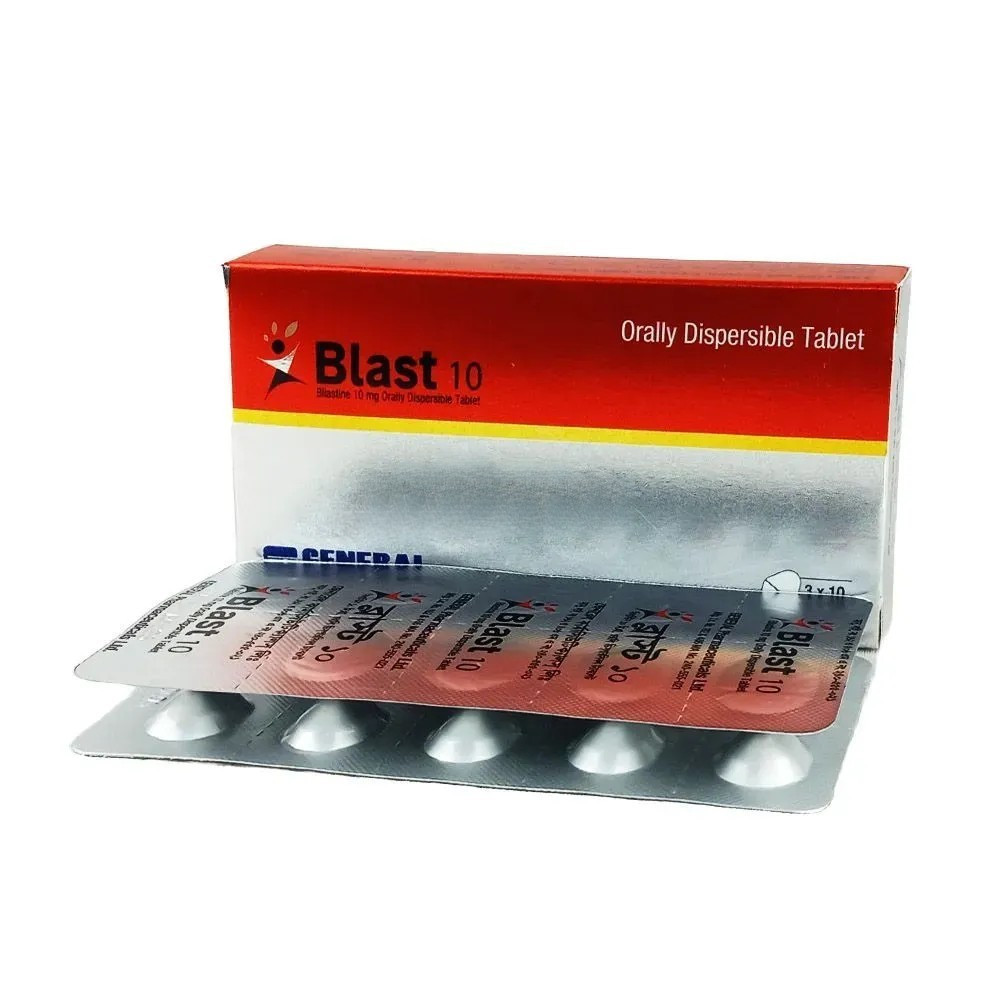
Blast Dispersible Tablet, Bilastine 10 mg

Methigic Tablet., Methylprednisolone 4 mg

Fonidel Ophthalmic Solution Fondaparinux Sodium 2.5 mg/0.5 ml

Hepatolin Syrup 200ml bottle, Rohitakarista


Product Queries (0)
Login Or Registerto submit your questions to seller
Other Questions
No none asked to seller yet
-
৳11.40
৳12.00 -
৳42.75
৳45.00 -
৳16.63
৳17.50 -
৳2.14
৳2.25 -
৳9.50
৳10.00