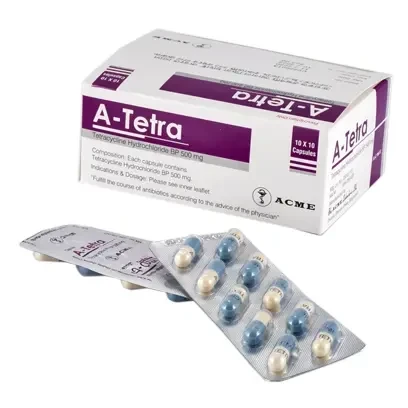
A-Tetra Capsule, Tetracycline Hydrochloride 500 mg
Inhouse product
-
 ৳11.40
৳12.00 -
৳42.75
৳45.00 -
৳16.63
৳17.50 -
৳2.14
৳2.25 -
৳9.50
৳10.00


Reviews & Ratings
Indications
A-Tetra is a broad
spectrum antibiotic. It is highly effective in the treatment of infections
caused by Borrelia recurrentis (relapsing fever), Calymmatobacterium
granulomatis (granuloma inguinale), Chlamydia species (psittacosis,
lymphogranuloma venereum, trachoma, inclusion conjunctivitis, Francilsella
tularensis (tularaemia), Haemophilus ducreyi (chancroid), Leptospira
(meningitis, jaundice), Mycoplasma pneumoniae (non-gonococcal urethritis),
Pseudomonas mallei (glanders and melioidosis), Rickettsiae (typhus fever,
Q-fever, rocky mountain spotted fever), Vibrio species (cholera). It is also
highly effective alone or in combination with streptomycin in the treatment of
infections due to Brucella species (brucellosis), plagues and severe acne
vulgaris. In acute intestinal amoebiasis, A-Tetra is useful adjunct to
amoebicides. A-Tetra is indicated in pneumoniae, tetanus, gas gangrene,
dysentery and as second or third line therapy in gonorrhoea and syphilis. Used
as an adjunct therapy with bismuth subcitrate and metronidazole for eradicating
H. pylori in the treatment of gastric and duodenal ulcer.
* রেজিস্টার্ড চিকিৎসকের পরামর্শ মোতাবেক ঔষধ সেবন করুন'
Pharmacology
Tetracycline is a
broad-spectrum antibiotic which is bacteriostatic for manybacteria,
rickettsiae, chlamydia, mycoplasma and brucella. It exerts its antimicrobial
effect by inhibiting protein synthesis. After a single oral dose of
Tetracycline peak plasma concentration is attained in 2 to 4 hours. The drug's
half-life is in the range of 6 to 9 hours. Because of its enterohepatic
circulation, Tetracycline may be present in the blood for a long time after
cessation of therapy.
Dosage &
Administration
Usual adult dosage:
250 or 500 mg every 6 hours by mouth preferably 1 hour before or 2 hours after
meal. Higher doses up to 3 or 4 gm daily have occasionally been given in
resistant infections.
Specific Dosage Recommendation:
- Brucellosis: 500 mg 6 hourly
for 3 weeks.
- Chlamydial infections: 500 mg 6
hourly for at least 2 weeks.
- Non-specific urethritis: 500 mg
6 hourly for 7 days.
- Severe acne: 1 gm/day for 2-3
weeks followed by 1 capsule daily for 3-4 months.
- Gonorrhoea: Initial oral dose
of 1.5 gm followed by 500 mg 6 hourly for 4 days, the total dose should be
9 gm.
- Syphilis: 500 mg 6 hourly for
15 days but therapy should be continued for 30 days if the disease has
been present for longer than 1 year.
- Endocervical infections: 500 mg
6 hourly for 7 days.
Children over 12 years
of age: 25-50 mg/kg divided in 2 or 4 equal doses. The maximum dose should not
exceed the recommended adult dose.
Children below 12 years of age: Not recommended.
Administration: Tetracycline should be taken orally, an hour before or two
hours after meal and therapy should be continued for up to three days after
characteristic symptoms of the infection have subsided. It should be used with
caution in the treatment of elderly patients where accumulation is a
possibility.
* রেজিস্টার্ড চিকিৎসকের পরামর্শ মোতাবেক ঔষধ সেবন করুন'
Interaction
A-Tetra in combination
with methoxy-fluorane may result nephrotoxicity. Antacids containing calcium,
aluminium or magnesium impair the absorption of tetracycline and result in
decreased serum level. A-Tetra inhibits the antimicrobial activity of
penicillin when used concomitantly.
Contraindications
A history of
hypersensitivity to tetracycline, in cases of overt renal insufficiency,
children under 12 years of age and pregnant or lactating women.
Side Effects
Gastrointestinal
disturbances e.g. glossitis, stomatitis, vaginitis or staphylococcal
enterocolitis. Photosensitivity and dermatological reactions are rare. Bulging
fontanelles in infants and benign intracranial hypertension in adults has been
reported. Treatment should be ceased if intracranial pressure raises.
Hypersensitivity reactions include purpura, pericarditis, angioneurotic oedema,
anaphylaxis, anaphylactoid purpura, and exacerbation of systemic lupus
erythematosus may occur. Haemolytic anaemia, thrombocytopenia, neutropenia end
eosinophilia have been reported.
Pregnancy &
Lactation
Tetracycline crosses
the placenta, found in foetal tissues and has embryotoxic effect. Therefore,
tetracycline should not be used in pregnancy unless considered essential in
which case maximum daily dose should be 1 gm. Tetracycline has been found in
human milk. Permanent tooth discoloration may occur in the developing infant
and enamel hypoplasia has been reported.
Precautions &
Warnings
Absorption of tetracycline
is impaired by the concomitant administration of milk and by calcium,
magnesium, iron and particularly aluminium salts commonly used as antacids.
A-Tetra depresses plasma prothrombin activity. Therefore, reduced dosage of
concurrent anticoagulants may be required. Lower doses are indicated in cases
of renal impairment to avoid excessive systemic accumulation and if therapy is
prolonged, serum level determinations are advisable. The concomitant use of
oral tetracycline may reduce the efficacy of oral contraceptives and
penicillins; an increased incidence of breakthrough bleeding may also be
experienced. It should only be used with great caution in conjunction with
other potentially hepatotoxic drugs.
Therapeutic Class
Tetracycline group of
drugs
Storage Conditions
Store in a cool and
dry place. Protect from light. Keep out of reach of children.
Frequently Bought Products

Fexo Tablet, Fexofenadine Hydrochloride 120 mg

Efaxim Tablet, Rifaximin 550 mg
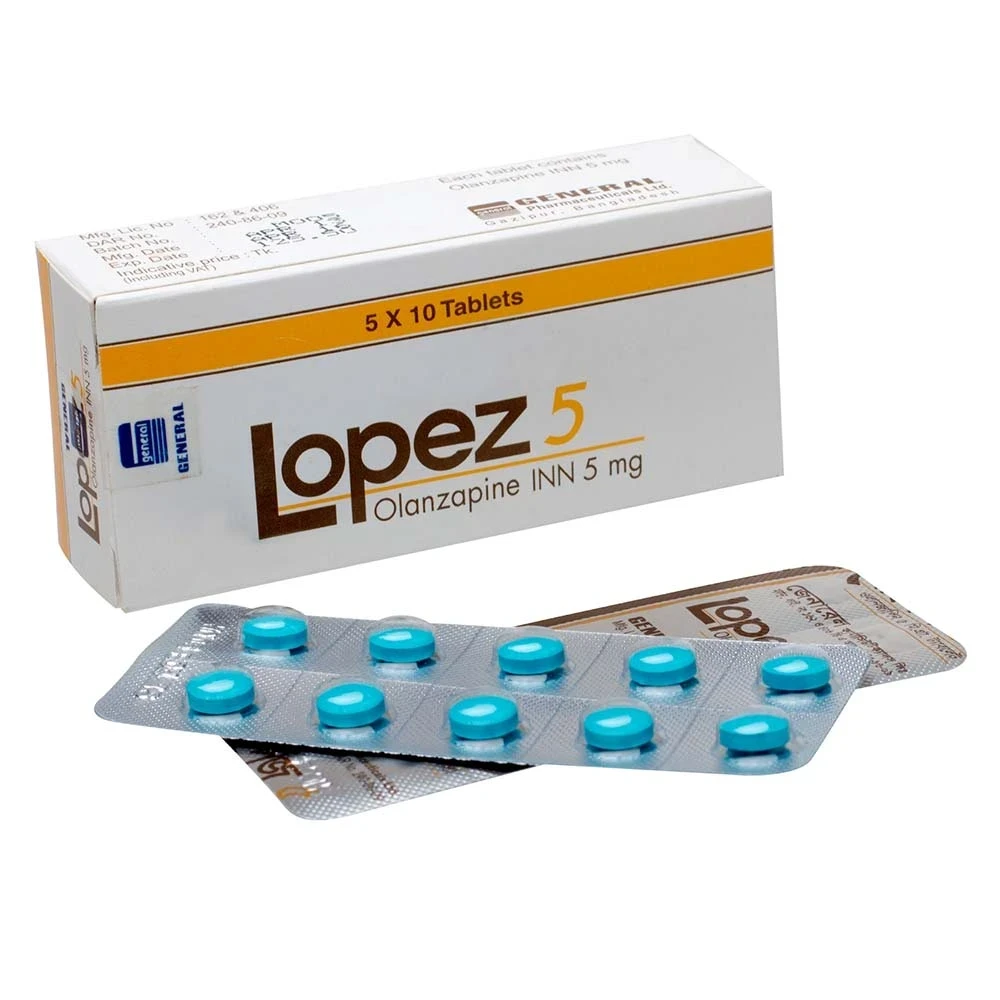
Lopez Tablet, Olanzapine 5 mg

Voniza Tablet, Vonoprazan 10 mg

Solo IV Infusion 500ml, Sodium Chloride 0.9%
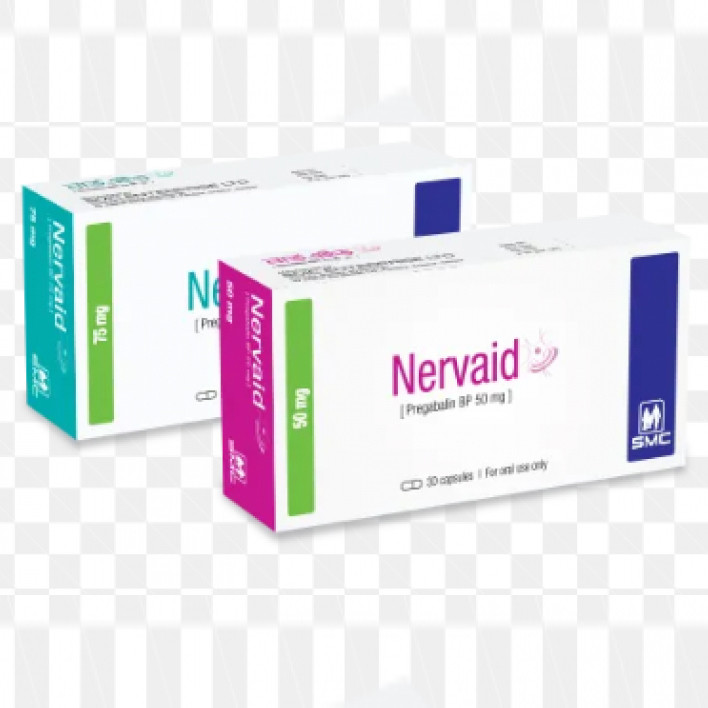
Nervaid Capsule (30' pack), Pregabalin 75 mg

Product Queries (0)
Login Or Registerto submit your questions to seller
Other Questions
No none asked to seller yet
-
৳11.40
৳12.00 -
৳42.75
৳45.00 -
৳16.63
৳17.50 -
৳2.14
৳2.25 -
৳9.50
৳10.00